There is a HECKELPHONE for sale on Charles music! This is a super rare find and an awesome instrument. It is in perfect condition from original owners and has 7 bocals.




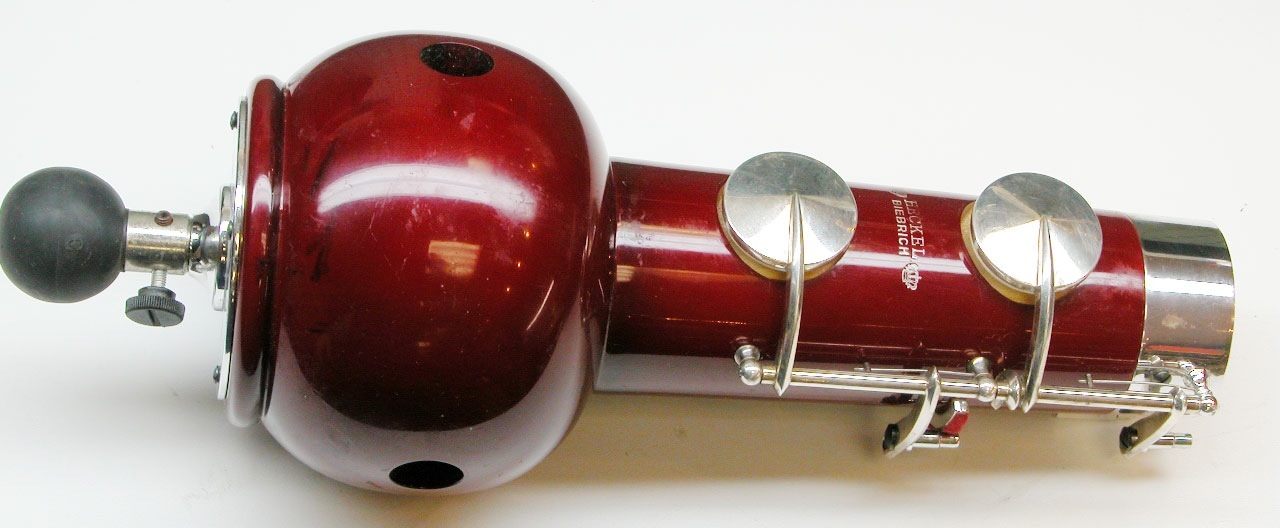
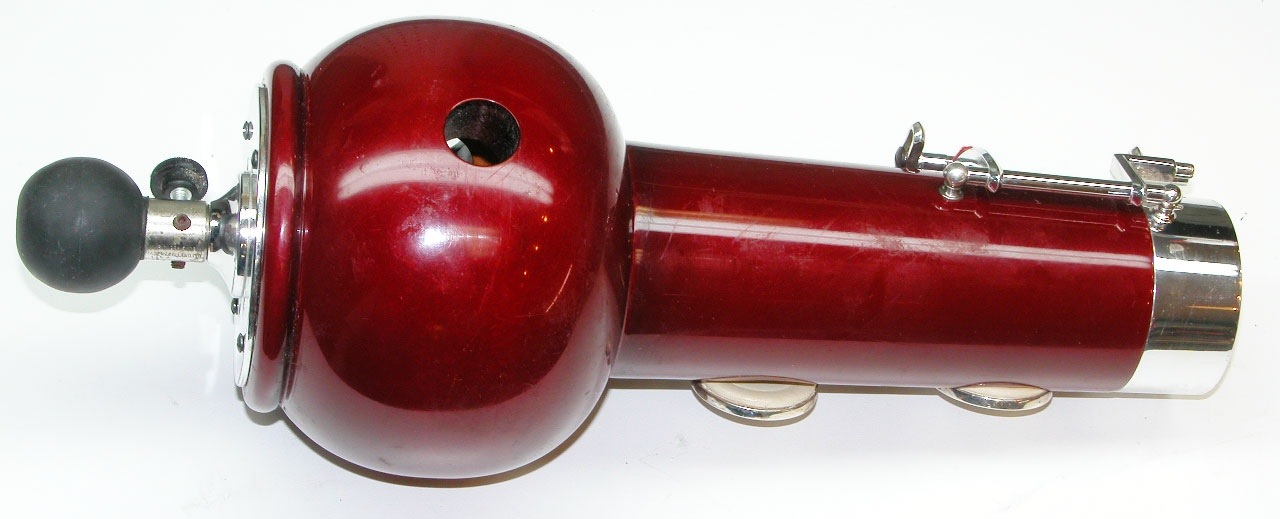


There is a HECKELPHONE for sale on Charles music! This is a super rare find and an awesome instrument. It is in perfect condition from original owners and has 7 bocals.
This is a post that I have dreaded doing for a long time. I debated whether this was necessary and useful to people, or if it would just be obnoxious. I realized that when I myself was buying reed tools there was very little information on a consumer level about how these machines stacked up against each other. If I was starting all over again in buying reed machines, I would have liked to have seen more information about them. So that’s the basis of including this aspect of my reed desk equipment.
Reiger Bassoon Gouger
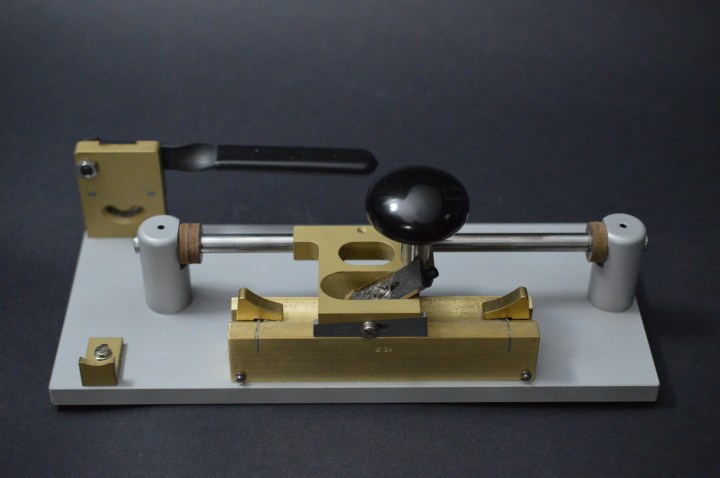

This gouger was a recent acquisition, it was a graduation gift from my uncle. Outside of this gouger I have only used the Reeds ‘n Stuff gouger, and I do really prefer the Reiger. The guillotine (which is included, and a big reason for choosing this machine) is very easy to use and cuts to a perfect fit to the cane bed. Once the cane is at that 120mm length, it fits right into the cane bed and never slips out. I have had some problems with other gougers where the cane jumps off of the machine once you use a little strength.
Berdon Bassoon Profile


This machine is an ANTIQUE! It is very old and I found it on eBay from an oboe player who had it in his closet for a few decades. This machine represents a very simple single barrel profiler with two basic adjustment screws, a removable blade, and no measurement systems whatsoever. There are many simple machines like this still being done by a few companies. What I like is that it is very easy to use, easy to remove the blade to sharpen myself and easy to adjust. I don’t like that when I adjust the profile I have to waste a few pieces of cane on trial and error experiments with no way of knowing what my current settings are. I found this for $300 and it works great, if you can find a cheap simple profiler you can probably get a good blade fit to it and get it working. Otherwise I would suggest finding something newer and more sophisticated.
Reeds ‘n Stuff Tip Profiler
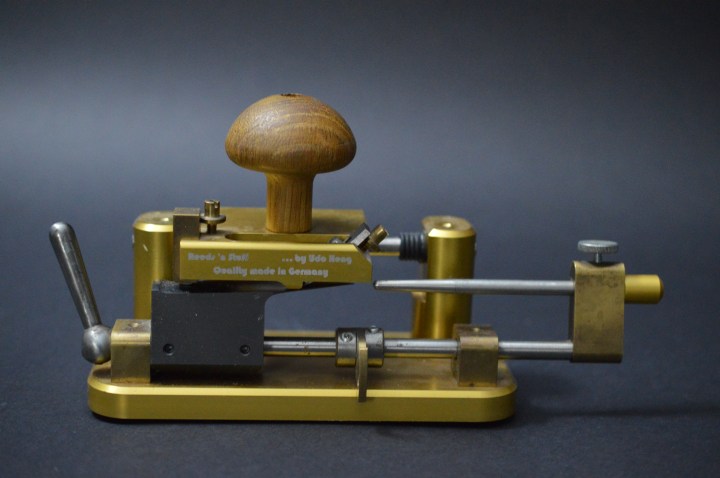

This tip profiler I also found used. This is the only thing that I own by Reeds ‘n Stuff and I’m quite sure that he now makes a fancier version of this. However this is very similar to the Reiger tip profiler and it makes all reed finishing a dream. Every tip is the same every time. I cannot enough stress how much this machine changed my reed making and my consistency of sound. I know that they also make oboe tip profilers, that is most of what I hear oboe reed makers complain about is creating an even tip. I have also had some luck using this with contrabassoon reeds without even having to adjust it. If I just put the reed on and keep it a few millimeters shy of the guideline, I get a great tip.
Reeds & Tools gouger
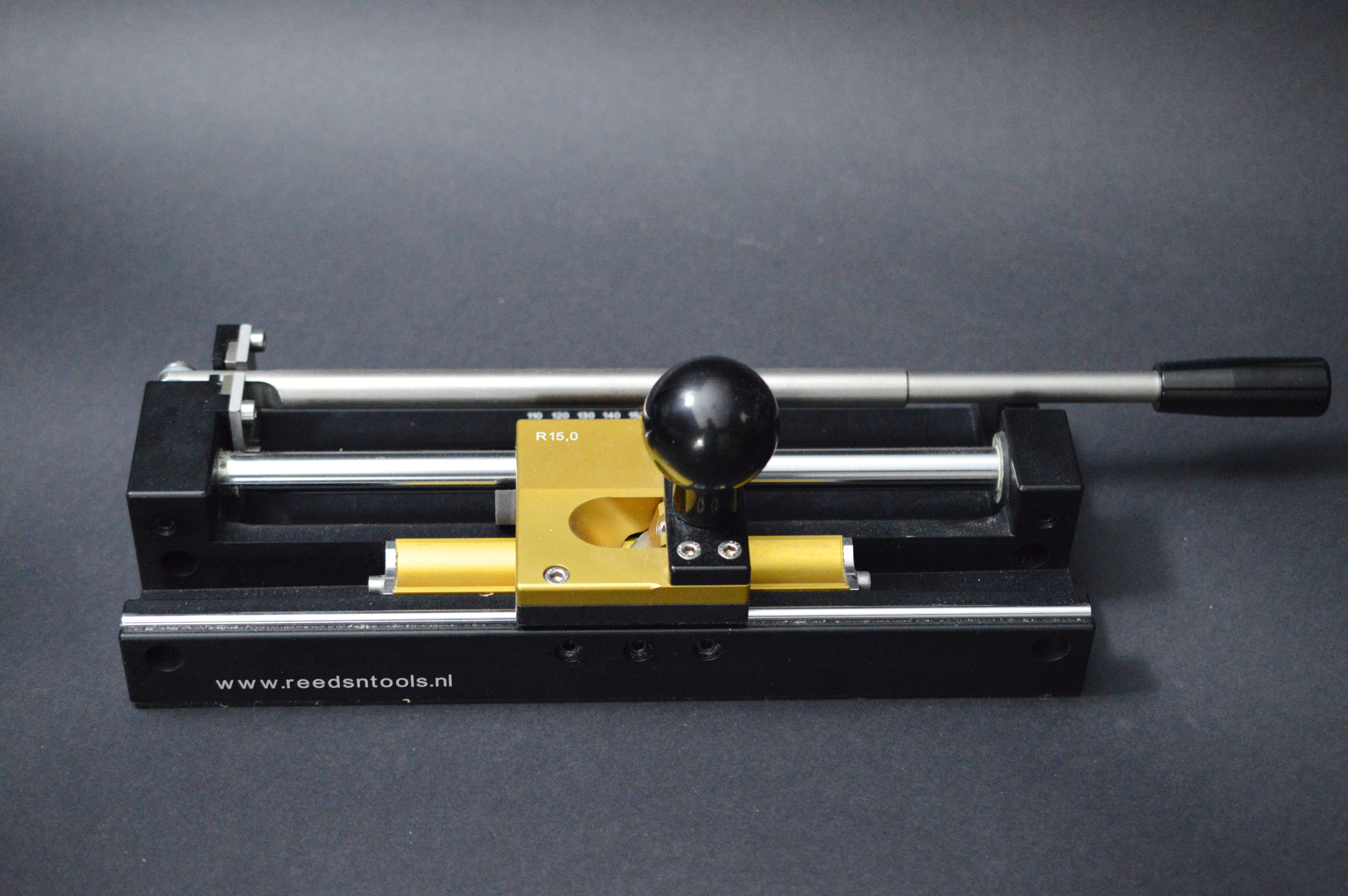

These Reeds & Tools machines are my newest additions, just over a month old. They represent the fanciest machines with flexibility and technology and controlled results. The gouger I currently have set up for processing contraforte cane, this means that I am using a 160mm long 30mm diameter cane bed with a 30mm diameter blade. The cane beds on this machine are interchangeable, so I also have a contrabassoon length bed (150mm) that I can slide use. I also have a 28mm diameter blade and carriage If I want to have eccentrically gouged cane instead of concentric. This machine can also fit a bassoon cane bed, so for doublers who only want one machine to process both instruments’ cane this may be a good choice. Again the guillotine has been great and the bed hold cane firmly.

This is an example of the gouge from this machine.
Reeds & Tools Profiler

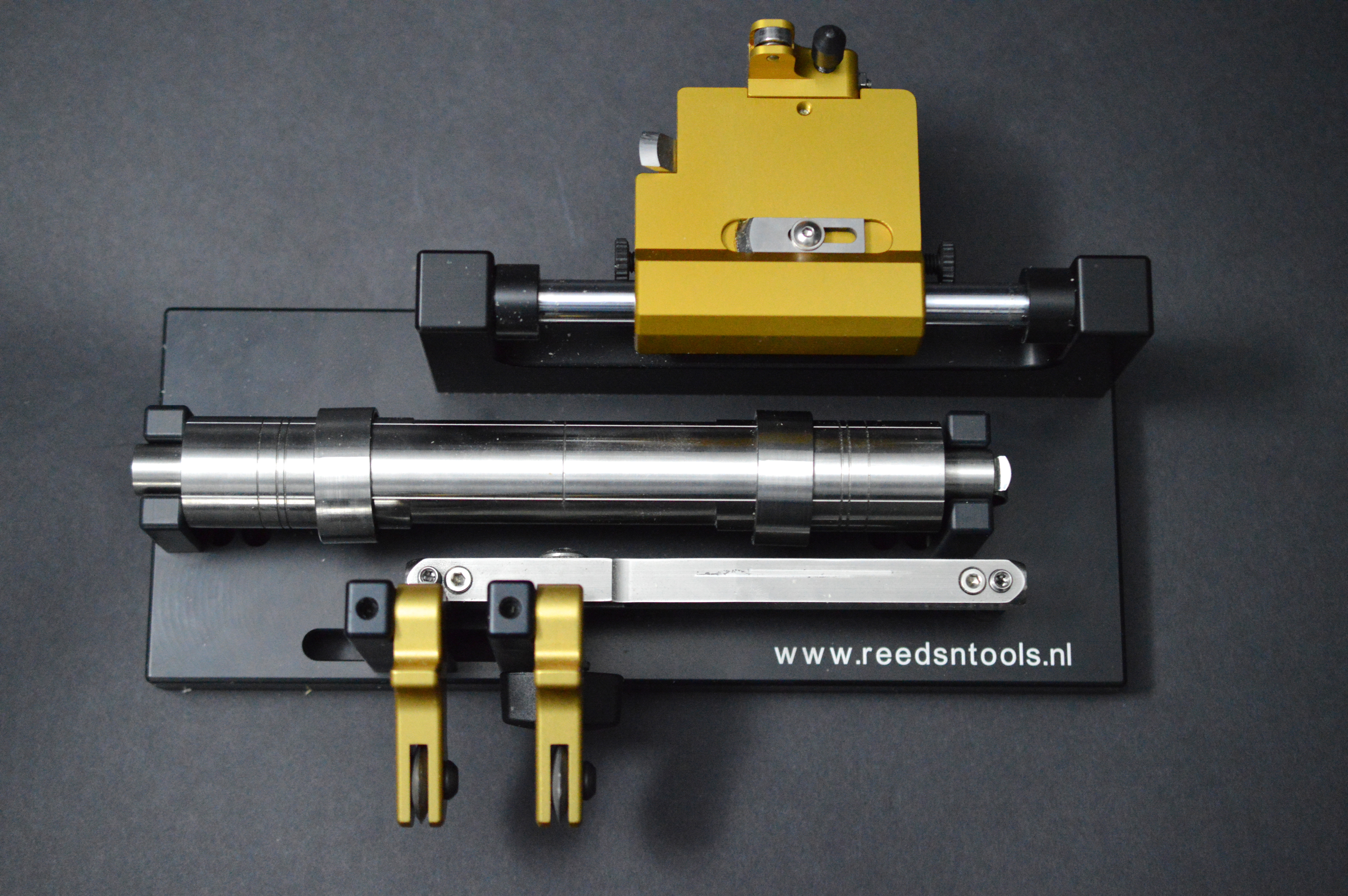
This machine is a blast to use! So easy and fast. I have two scoring blades so I can score the collar and the center line of the cane. Chris van O’s was also nice enough to include a spare blade and a dial indicator for adjustments. Unlike my bassoon profiler, this machine has it all. I can accurately change my profile by hundredths of a millimeter by using the attachable micrometer…

This pair of machines make cane processing fast and accurate, and I would recommend them. So far Reeds & Tools is the only company making equipment for contraforte. The machines that I have are for cane up to 160mm in length but he is also making machines at 170mm and 180mm for contraforte player who want to experiment with longer tubes or blades.

A standard tool in any reed making kit is a shaper. This gives the proper dimension to the reed blade and tube. I have a few that I have collected and I really only use 2 or 3 of them. I have always found it very interesting that such small changes (hundredths of millimeters) could make such a dramatic difference in tone, pitch , and ease of response/articulation.
I mostly use fold over shapers in conjunction with a handle. But I think I am going start finding more straight shapers. I have…
Fox 2 15.2mm tip
1A 15.5mm
13 15.5mm
14 14.5mm
K1 20.5mm
C2 23mm
For myself I use a Reiger 14 shaper and I am very impressed by the response. I can articulate a high F, and still play pianissimo low notes IN TUNE without struggle. I find that my students respond best to the Reiger 13. The 13 is like the 1A except the tube is narrower, this back pressure helps with air management and articulation. The Fox 2 straight shape is a really great shape, and I would really suggest that this be a high school students’ first shape.
The K1 and C2 are both new to me. The K1 is a contrabassoon shaper and unlike all of the very subtle differences in bassoon shapes, the contrabassoon shapers are all dramatically different. The K1 to me is a very standard shape and makes the style of reed that I am most used to playing on.
The C2 is a contraforte shape which ends up making very wide reeds, and so far this is one of the two contraforte shapes that exist. There is still some debate over the length of contraforte cane. Contrabassoon cane is 150mm which is what some CF players use, for me that creates a reed that is unstable and actually tend to be flat. I mostly use 160mm cane which suits this shape pretty well. I have even heard of people using 170 and 180mm cane!
Now my teacher Steve Braunstein has quite a collection of straight shapers. What is interesting about them is that you are about to shape one side of the cane, slide the cane over a bit, and shape the other side. So in our experiments to find contraforte reed shape he is able to use contrabassoon shapes and make them wider. This is a great advantage to me since there are few options for CF shapes, so I will be finding some straight shapers in the future.
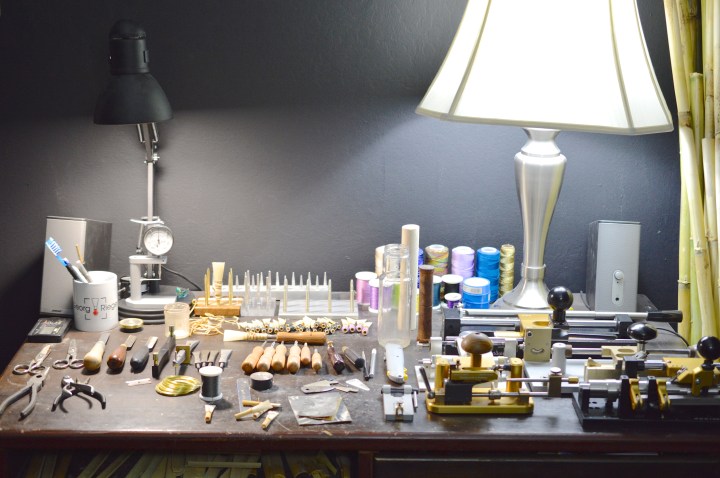
The next few entries that I would like to post have to do with my reed desk. I firmly believe that the quality and reliability of someone’s reeds is directly affected by the quality of their reed tools. Generally I have found that people who have great reeds on a daily basis without any “reed panic” days tend to have great reed tools that are sharp and in adjustment.
I would like to post a few entires on a consumer level giving detailed reviews of some of my machines and products. This will be bassoon, contrabassoon, contraforte, or general purpose double reed equipment. I have no affiliation with any company but have chosen my equipment based on reviews, function and the recommendation of my teachers.
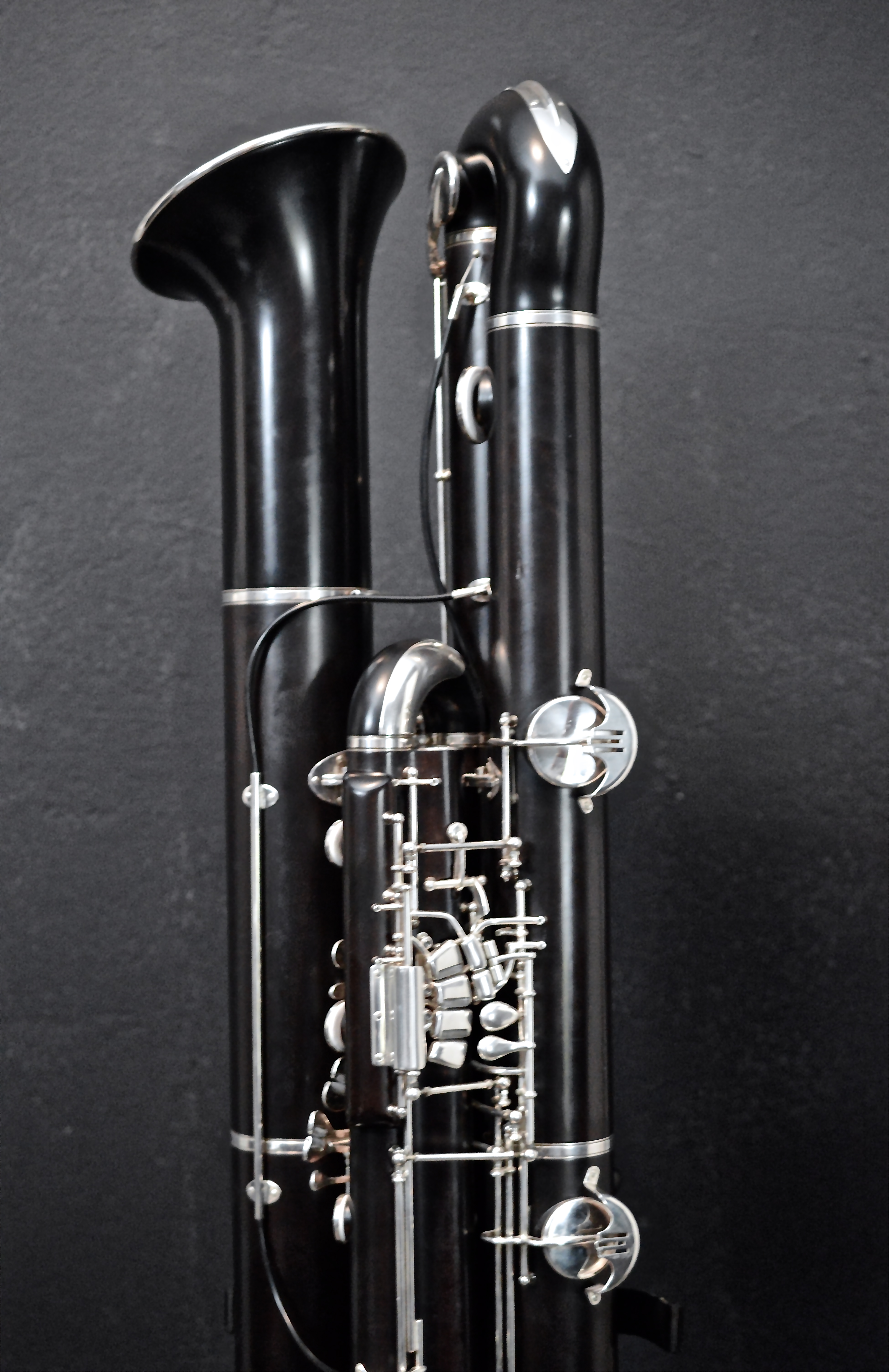
After a few weeks of having the contraforte I am having a recital! I am very excited about the program, and if you are in the bay area you should definately come. March 8 at 8pm at the San Francisco Conservatory of music. This is an all contraforte recital featuring
Mozart’s Contraforte Concerto (possibly known as an oboe concerto)
Mignone Waltz
Dorf Contrabassoon duet
If we all live through it, there will be cake!

I just bought a Snark tuner to try out. Many of my colleagues have it and they have nothing but positive things to say about it. I have had clip on tuners before, or at least an extension to plug in to my regular tuner.
The Snark is very quick and responsive, there is no lag time waiting for the tuner to focus on the pitch. There are settings to either pick up vibrations directly from the instrument or to pick up sound through the microphone. The pitch level can be calibrated from 415-466.
This tuner is great for bassoonists because it can easily clip onto the bocal, or onto a oboe/clarinet bell. I actually purchased this tuner for my contraforte and like most tuners it cannot register the lowest octave. That would be my only drawback.
I have some basic care tools that I use to maintain my instruments. Key oil, cork grease, bore oil etc. But there are some things that I have found to be very useful especially in buying a used contraforte. The contra was in the use of Lewis Lipnick, a very accomplished and busy player. It had some tarnish on the keys, and I don’t trust myself to take it all apart to clean it. Contrabassoons and contrafortes also suffer from water problems. Contra is the only woodwind instrument that never EVER gets swabbed!
I found these silver polish strips to be amazing! You get a wet paper towel, wipe down the tarnished area and then just wipe it with the polish wipe and its done. I also have “acidic hand oil” like we all do, but mine can damage the plating of instruments over time. So this is a very easy way to keep my keys from damage. These I found at Bed Bath and Beyond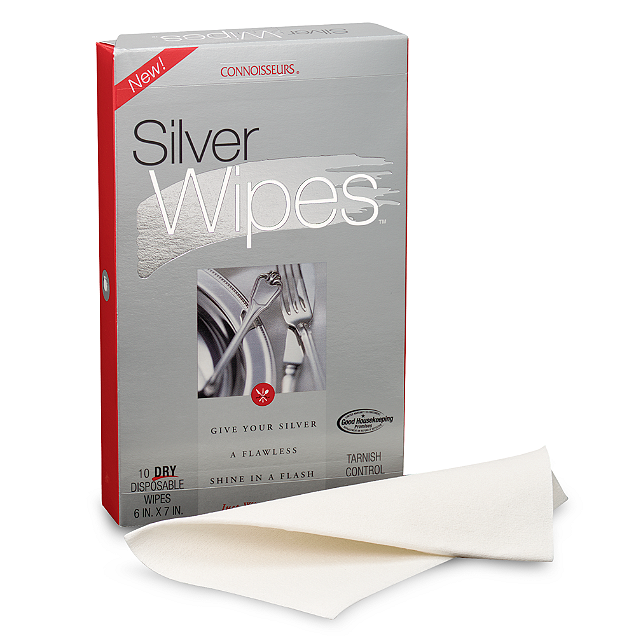
The other great find is Silica gel packets; this is a form of desiccant, or a chemical that removes moisture from the air. I bought a couple packs of these and I keep two in the contra case at a time. When the contra is put away in the case, the instrument is still filled with moisture and warm moist air. These packets help dry out the air inside of the case. I bought mine off of Amazon

The contrabassophone was invented in 1847 by Haseneier. It was intended to improve the contrabassoon at the time by using a very large bore and tone holes. There is a great resemblance to the contraforte! The contrabassophone has a less severe bore flair than the contrabassoon, and is closer to a cylindrical bore. The fingering system is also much closer to the Boehm system flute.

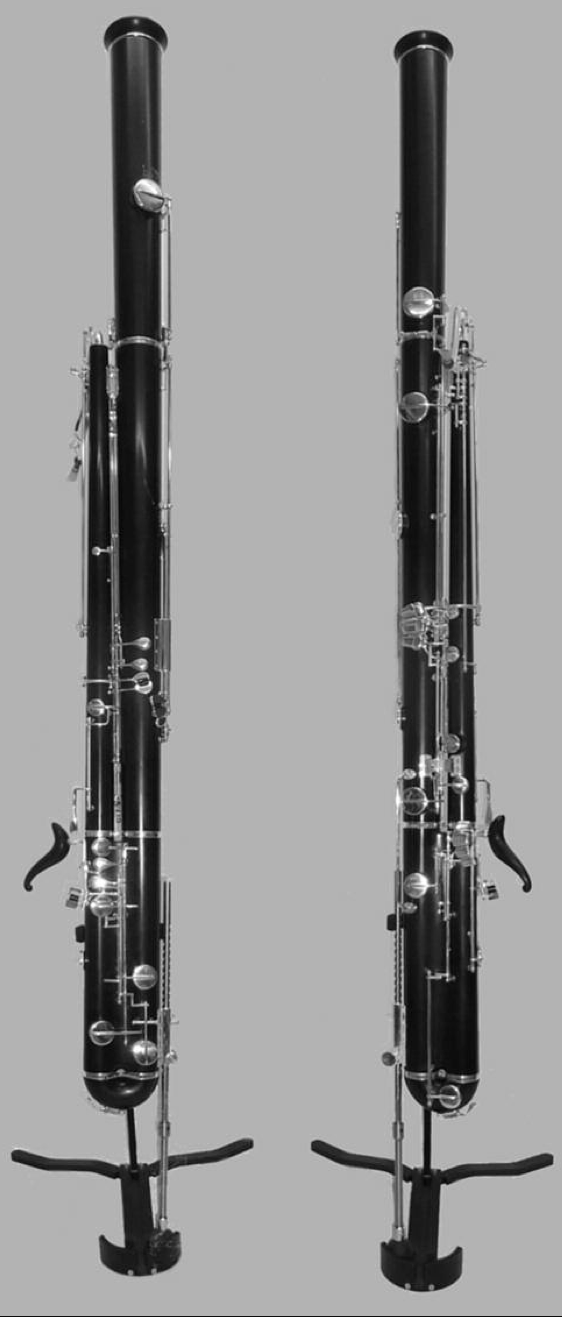
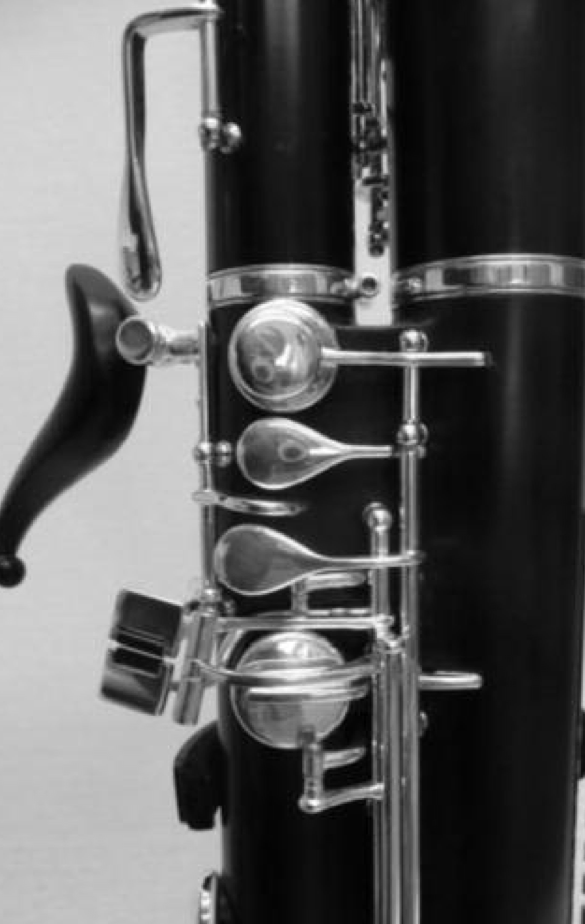

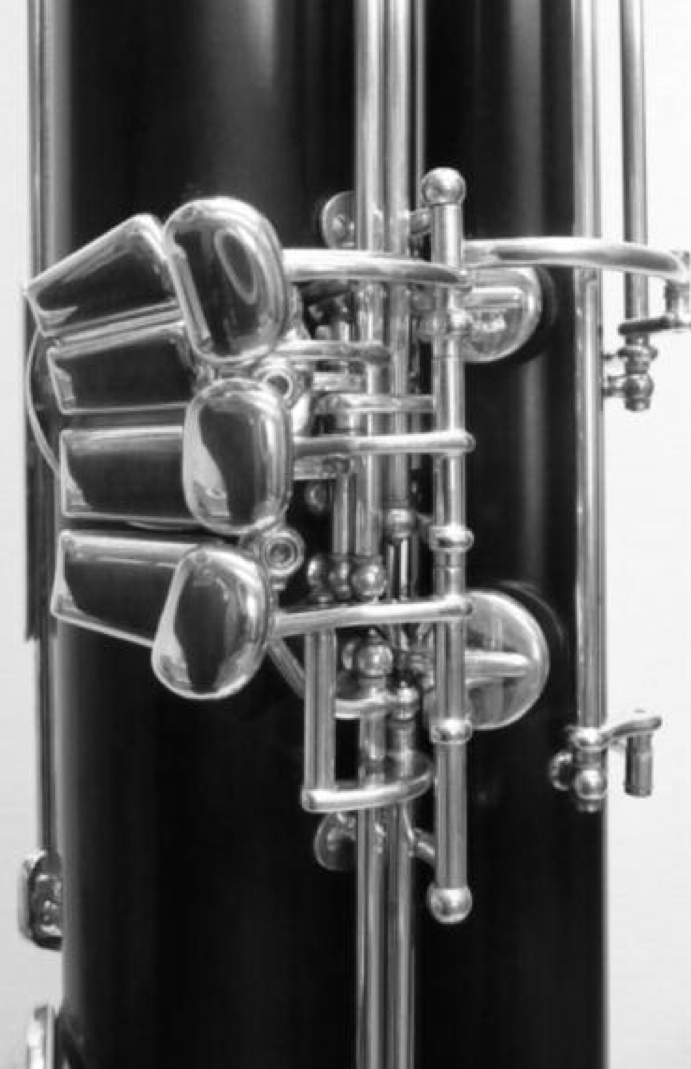

The Bassoforte is a product of Wolf and Eppelsheim. This redesign of the bassoon has a greater dynamic range and a greater playing range, down to A1 and a yet unknown upper register. The fortissimo is up to 7dB louder than the modern bassoon and the wide conical bore creates a richer warmer sound. Not yet commercially available, this is meant to be the “wind band bassoon” One of the few possible setbacks is the large size which doesn’t break down into a small case, and because of the new design “forked Eb” doesn’t work, Eb is fingered like it is on the contra with a few alternate Eb keys.


 Kristopher King