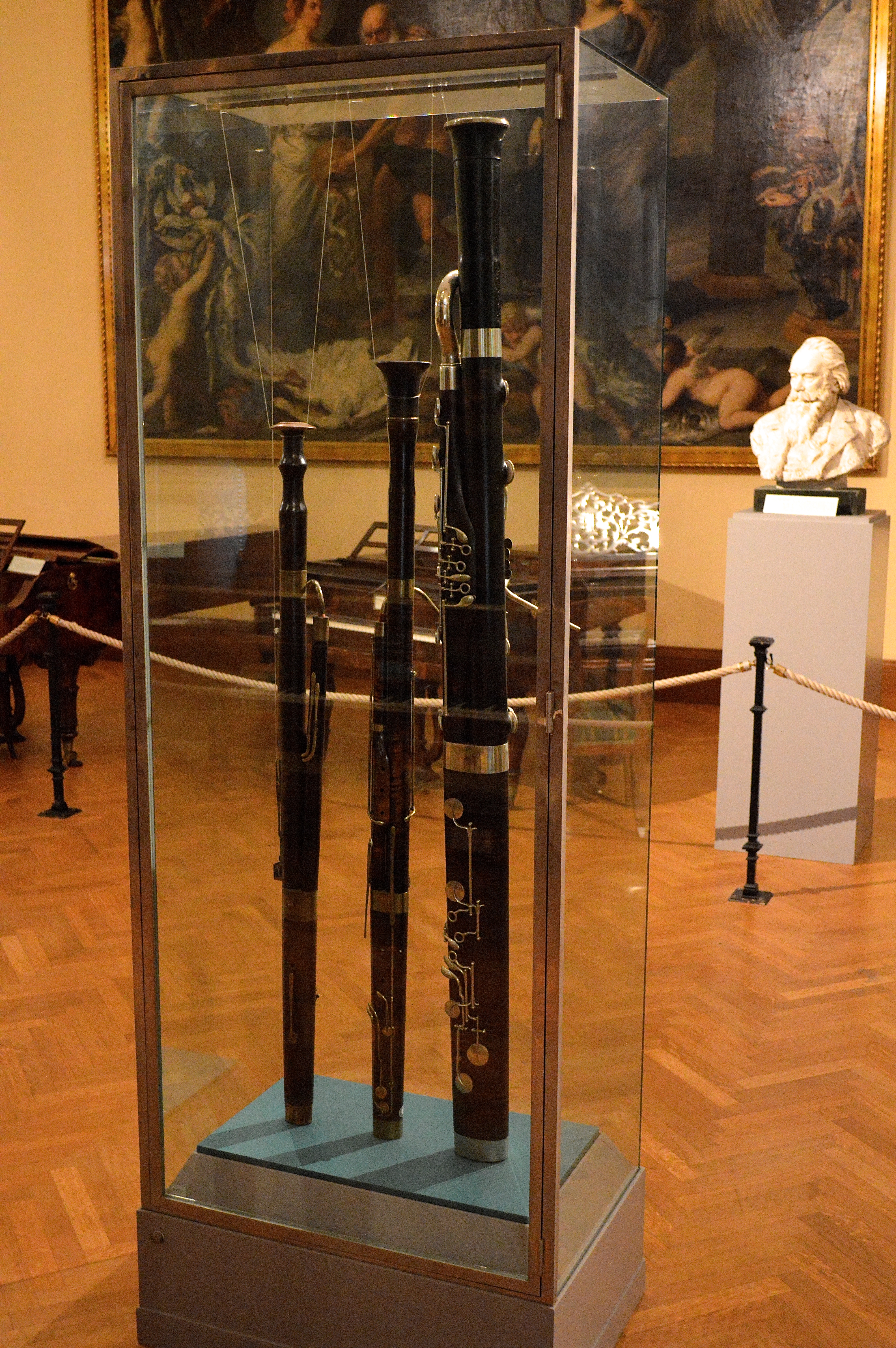
A few months ago I worked on a project that required a romantic era contrabassoon! The basis of the project was to track the development of the contra over time and play some of the music written for each instrument.

Here in the Bay Area we are very lucky to have David Granger who is a period bassoon expert. And he was generous enough to let me use one of his period contras for this project.

Romantic Contrabassoon

Although I ended up getting in a few practice sessions on it; I found that I’m not a great period player, and this instrument has much more potential than what I could perform. I was able to play some Beethoven and Brahms on it but I never was able to get a high Ab which is in Brahms’ 3rd Symphony.

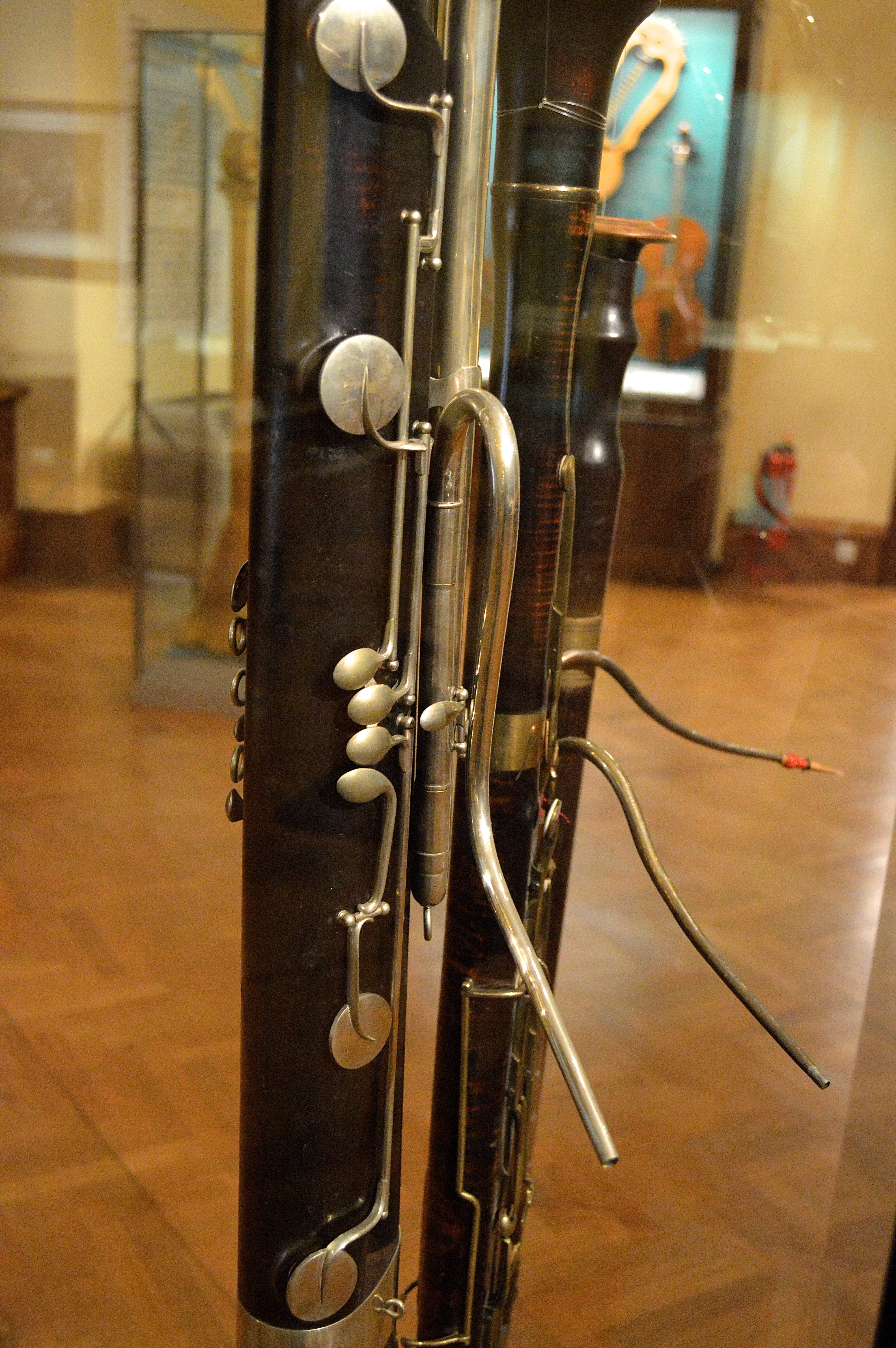
Romantic Contrabassoon Bocal

Both of David’s period contrabassoons were made by Wolf in the style of the Viennese contras. This is a unique instrument because it can be tuned to A=415 or 440 with the use of two different lengths of bocals. The bocal looks similar to a bassoon bocal but has a drain and is upside down when assembled with the crook.

Romantic Contrabassoon Bocal

When I practiced different instruments in the same practice session I was getting frustrated with the Romantic instrument. I liked it on its own, but if I played a modern instrument and switched back to romantic then it seemed so unstable and difficult to play. Period bassoons in general have a less focused sound, and so I’ve never gotten into performing on them.

Bassoon Contraforte Contrabassoon Romantic Contrabassoon

The reeds here are supplied by Wolf and were made by Stefan Pantzier I tried my hand at making a few and they turned out okay. The shape is similar in dimensions to the Contraforte C2 shape but with a shorter tube. The thing I didn’t try was adjusting the gouge to something more appropriate to the era. In the time before gouging machines people gouged by hand and purposefully gouged the center thinner. This meant less work had to be done in profiling and finishing a blank.

Romantic Contrabassoon Reeds

Contrabassoon Contraforte Romantic Contrabassoon

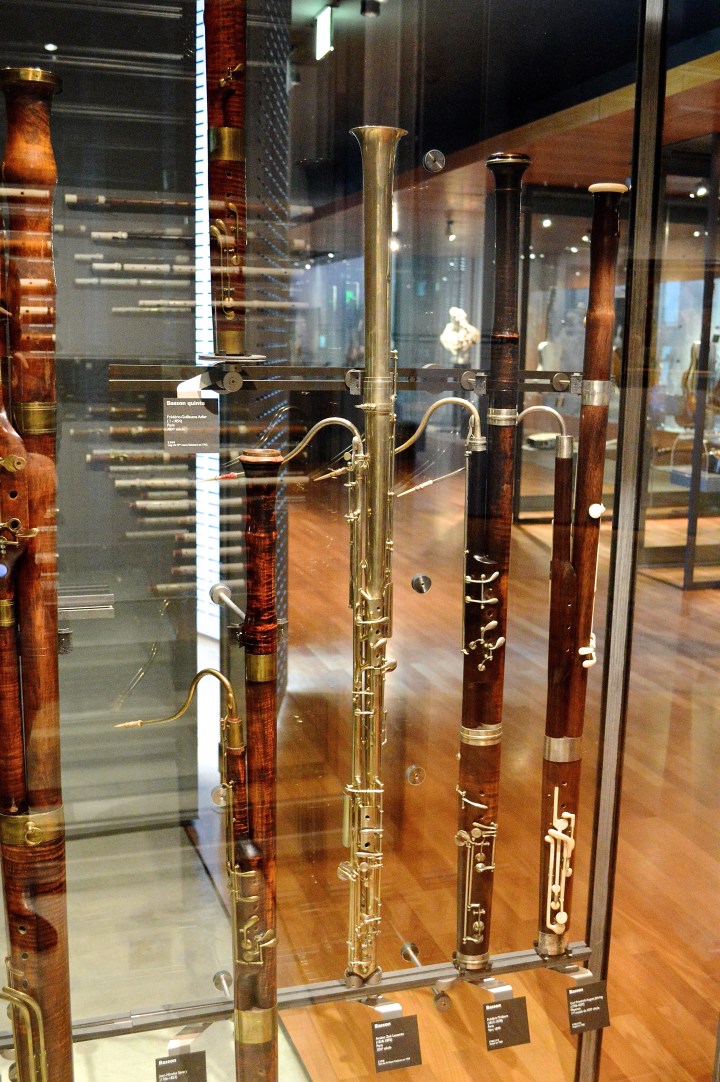
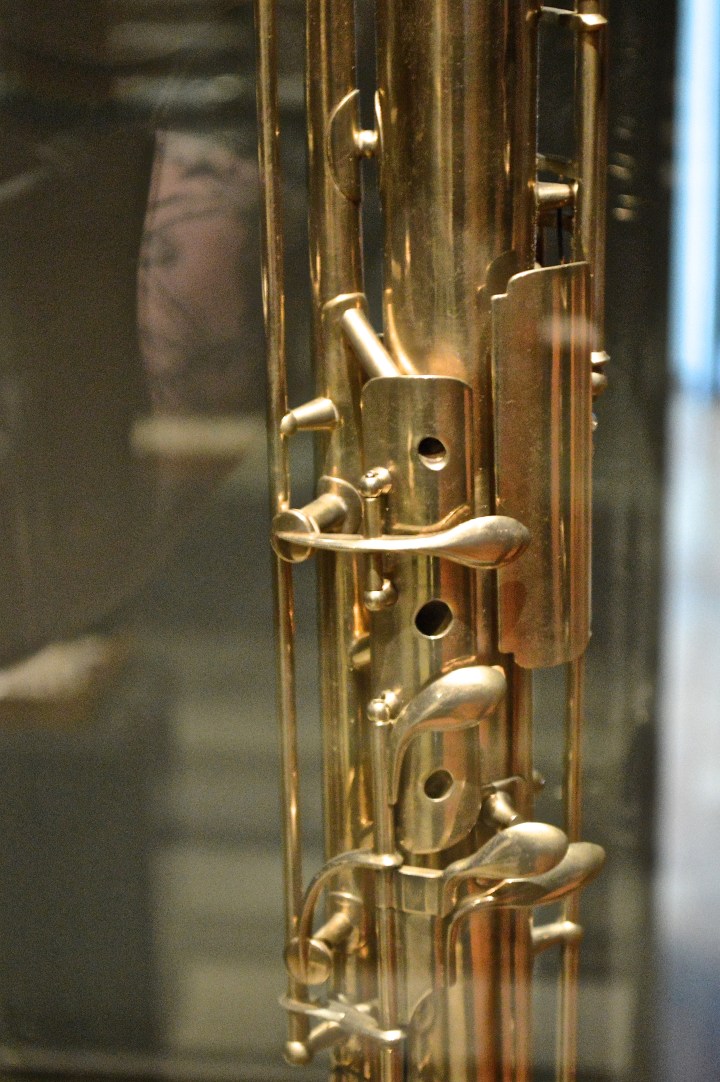
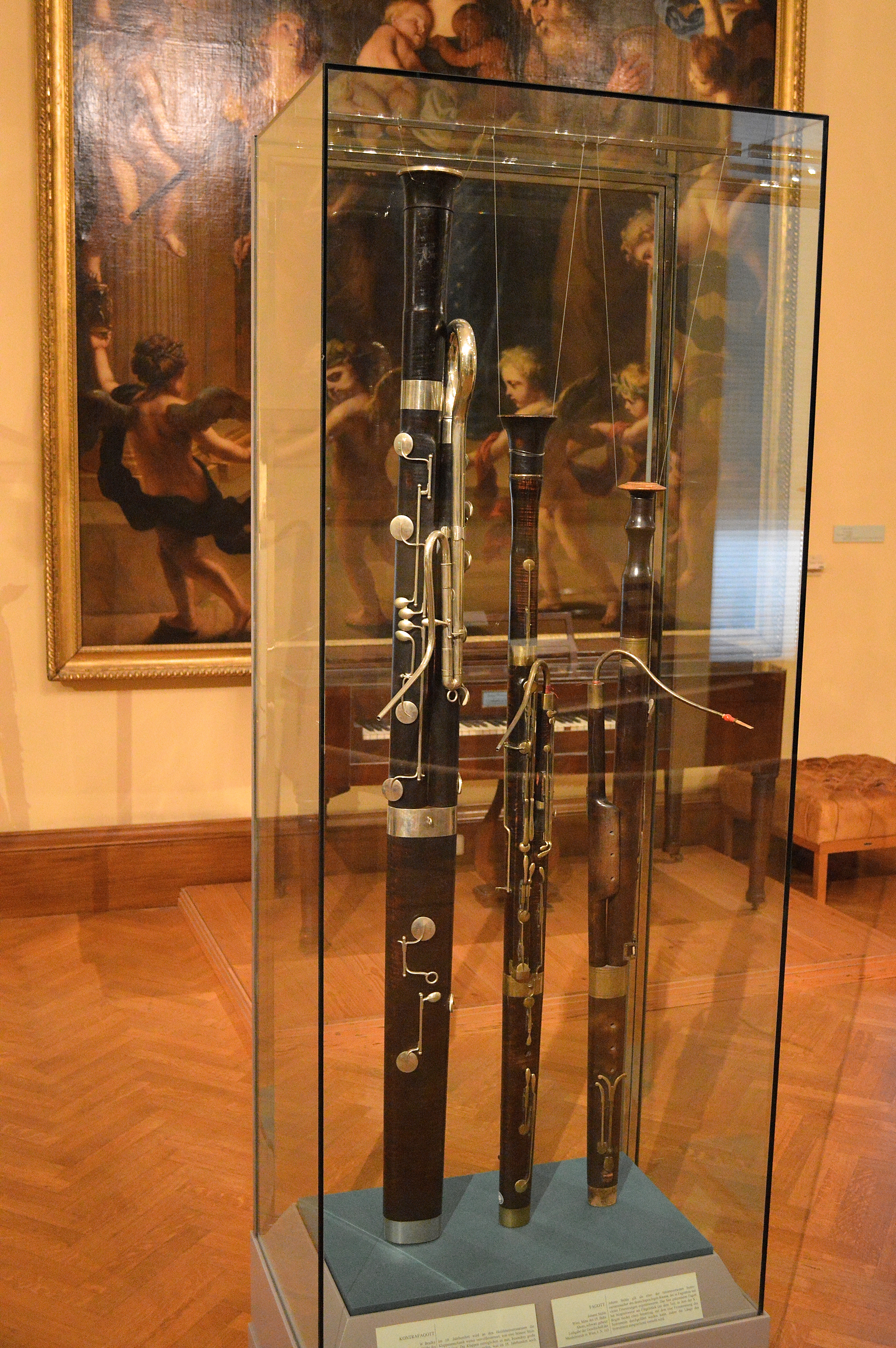
I have had been on a trip to Vienna for the last few weeks. The Hofburg palace houses an antique instrument museum which to my surprise had many bassoons and contrabassoons! So here are a few but not all of the instruments on display

Entrance to Antique Instrument Museum

bassoon family

bassoon family back

bassoons

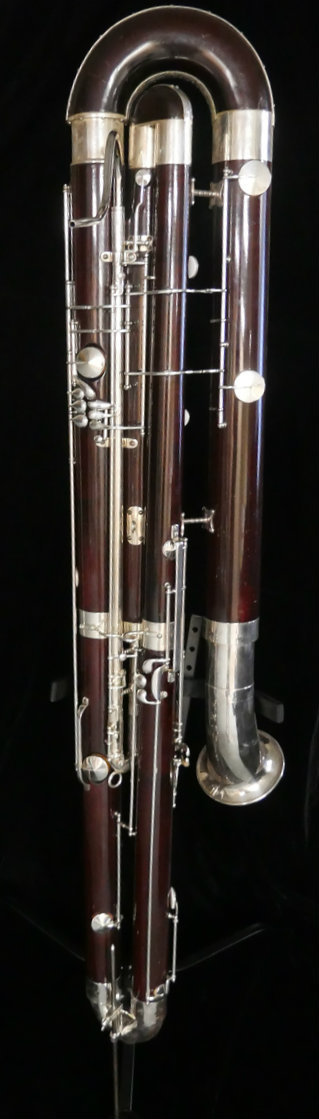
This Contrabassoon was built by Bradka in Vienna, this was his standard model in 1870.

Stehle Bassoon

This bassoon was built by Johann Stehle who at the time was considered to be one of the finest instrument makers in the German speaking regions. This instrument was an experiment as it has a tuning slide on the wing joint to lengthen the bore between the register vents and tones holes. This bassoon also has an split bell to add on a low A attachment.

Woodwind Family

 This Contrabassoon was built by Bradka for the Viennese Jubilee crafts exhibition in 1888. This design differs from his previous models because of the rounded U-tubes to create less air resistance. “Bradka seems to have oriented this to a model from 1976 by Alfred Morton” (the contrabassophone maker)

The bassoon is a Heckel from the 1880s.

Metal Contrabassoon

This Metal Contrabassoon is made by Evette & Schaeffer in 1900, this horn uses the french fingering system. It is played using regular modern contrabassoon reeds and plays at modern pitch. I had no idea that metal contrabassoons existed until a former teacher of mine was talking to me about having played on one!

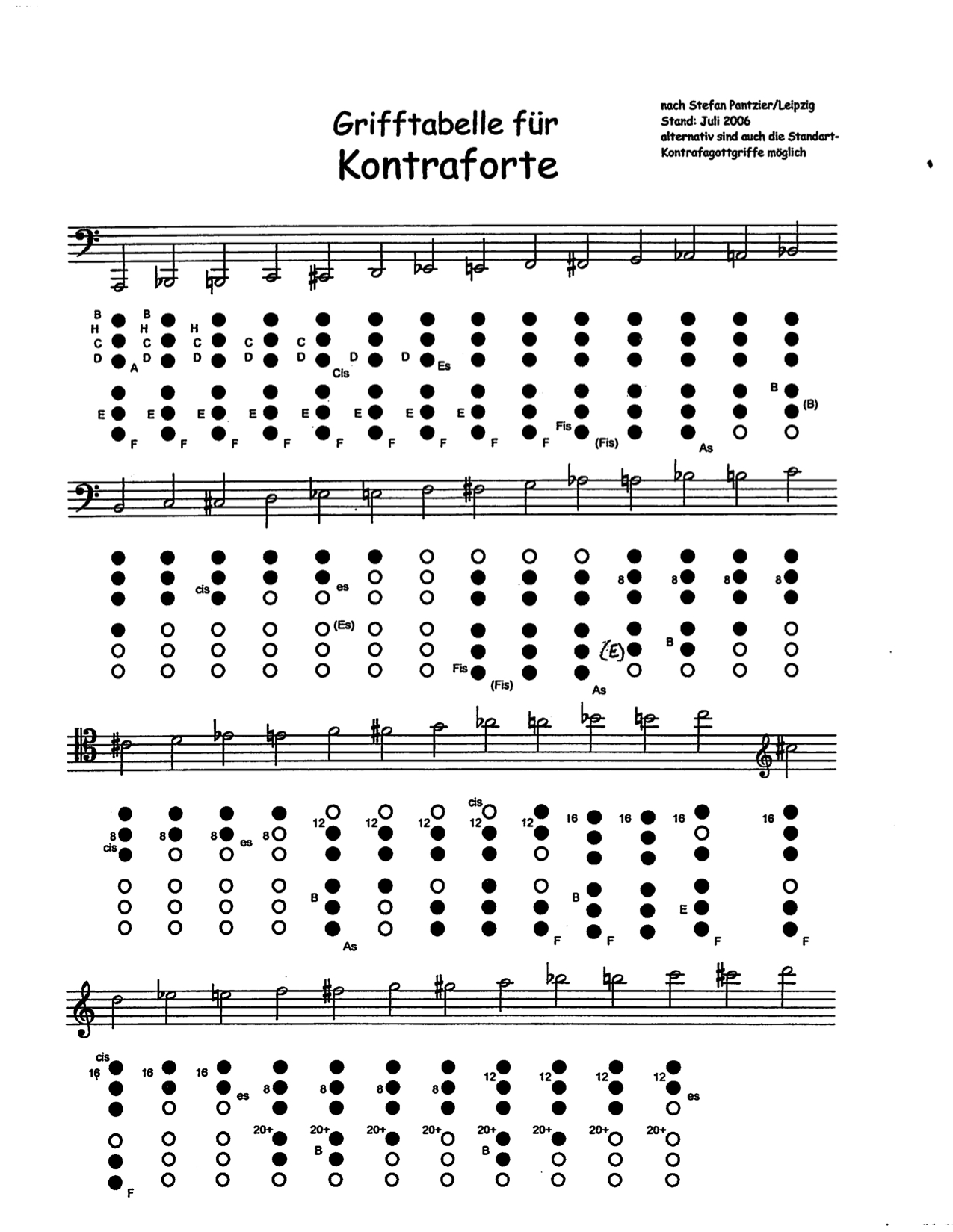
The usable range of the Contraforte is from A0-C5. This is an improvement on the contrabassoon range by a few steps. Although I know some very talented contra players that can play almost as high as any contraforte. Im mostly posting this so that composers are able to hear the timbre change of the different registers.

The Contraforte does not have a dependable high D but it is possible. Here I play the opening bassoon solo from Stravinsky’s Rite of Spring, at actually pitch. I used an extremely thick reed with a lot of resistance.

Contraforte Fingering Chart

Thomas Adès

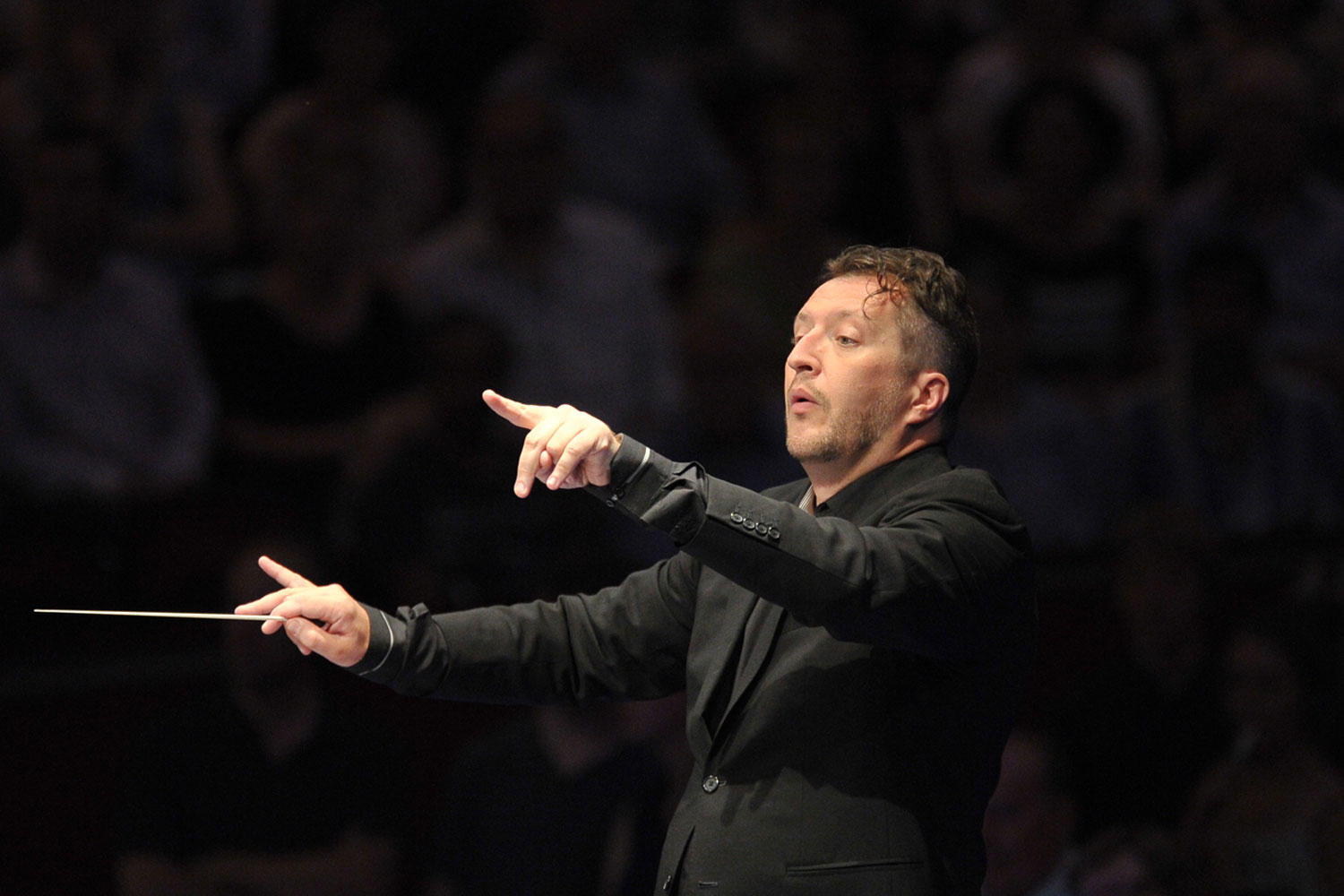
This weekend (March 5,6,7) Thomas Adès with be conducting his own composition with the San Francisco Symphony. His piece “In Seven Days” is based on the seven days of creation outlined in the book of Genesis. It is a multimedia piece including video projection and he scored it using a contraforte!

Bay area people should all go and hear some contraforte in Davies hall!

SF Symphony Tickets

This is the first time that contraforte has been used in the San Francisco Symphony and it will be performed by Steven Braunstein.

Steven Braunstein Contraforte

Steve Kris ContraforteHere I am visiting the Contraforte tamer


Green Reed

I tried an experiment last week involving a Green Reed for Contraforte. I just harvested some cane in early January and decided to try to immediately make a reed out of it instead of letting it dry. And this is what turned out! I regular reed that sounded and acted like any other reed but it was fresh green cane and didnt need to be soaked in water before I played on it. The texture was similar to a very hard piece of cane so I had to make this thinner than I would normally. After a few days it started to dry out and warp and is now is playing very sharp. Next I’m going to try this on regular bassoon.

I would suggest trying it to all of the cane harvesters out there!