Leigh Muñoz is selling her Fox Fast System Contrabassoon. It was made in 2010 and it’s in great condition. The Fast system was created by Arlen Fast and it has an updated vent system.
It will be available to try at IDRS 2019 in Tampa, July 14-18.
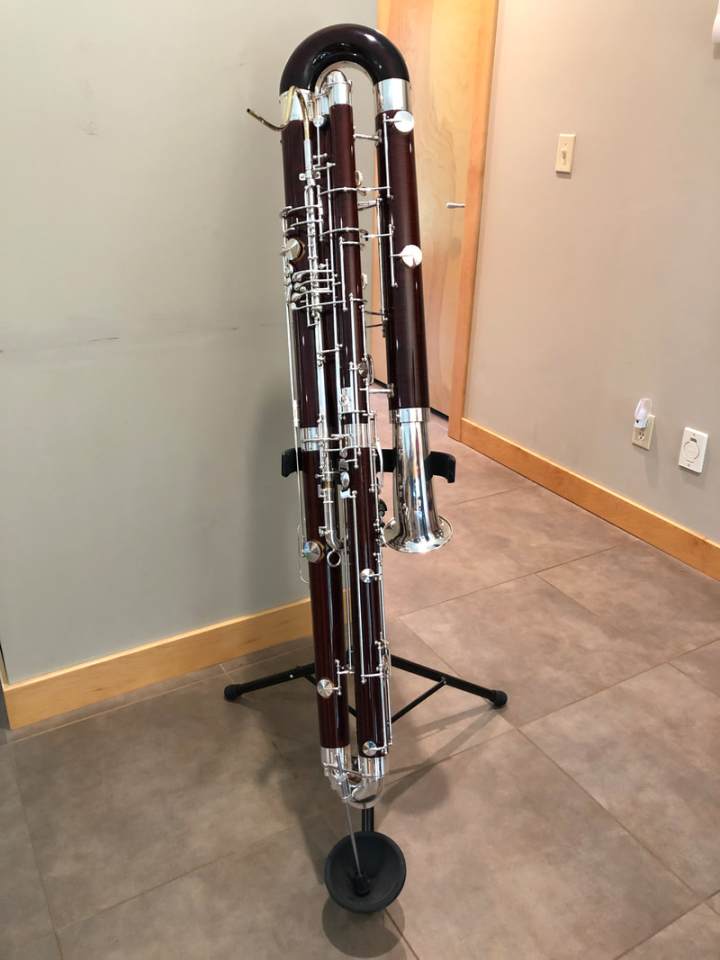

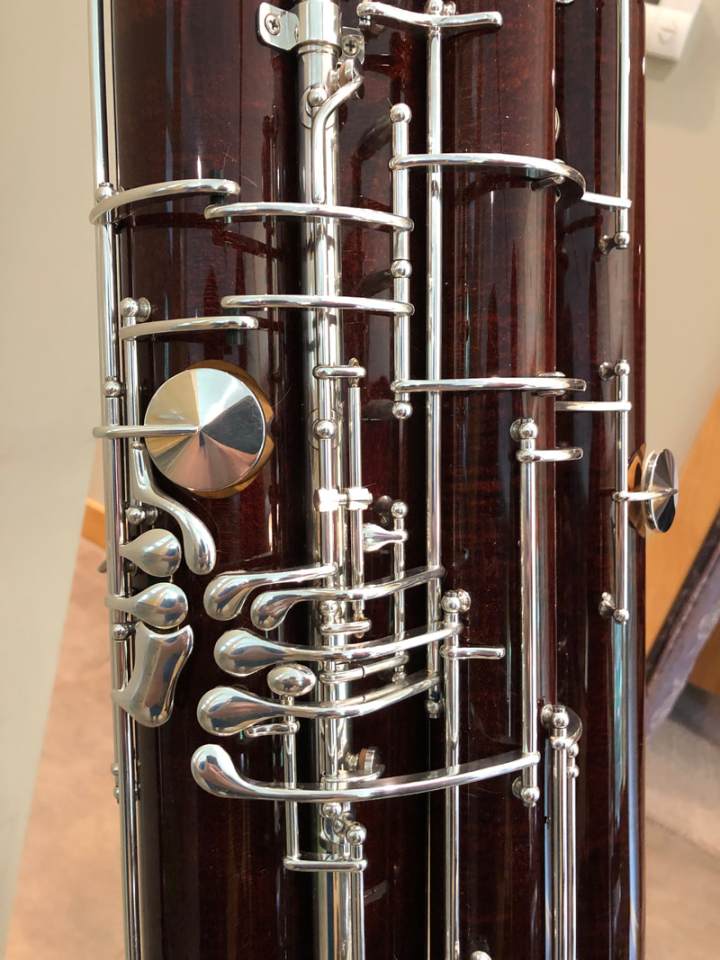
Leigh Muñoz is selling her Fox Fast System Contrabassoon. It was made in 2010 and it’s in great condition. The Fast system was created by Arlen Fast and it has an updated vent system.
It will be available to try at IDRS 2019 in Tampa, July 14-18.




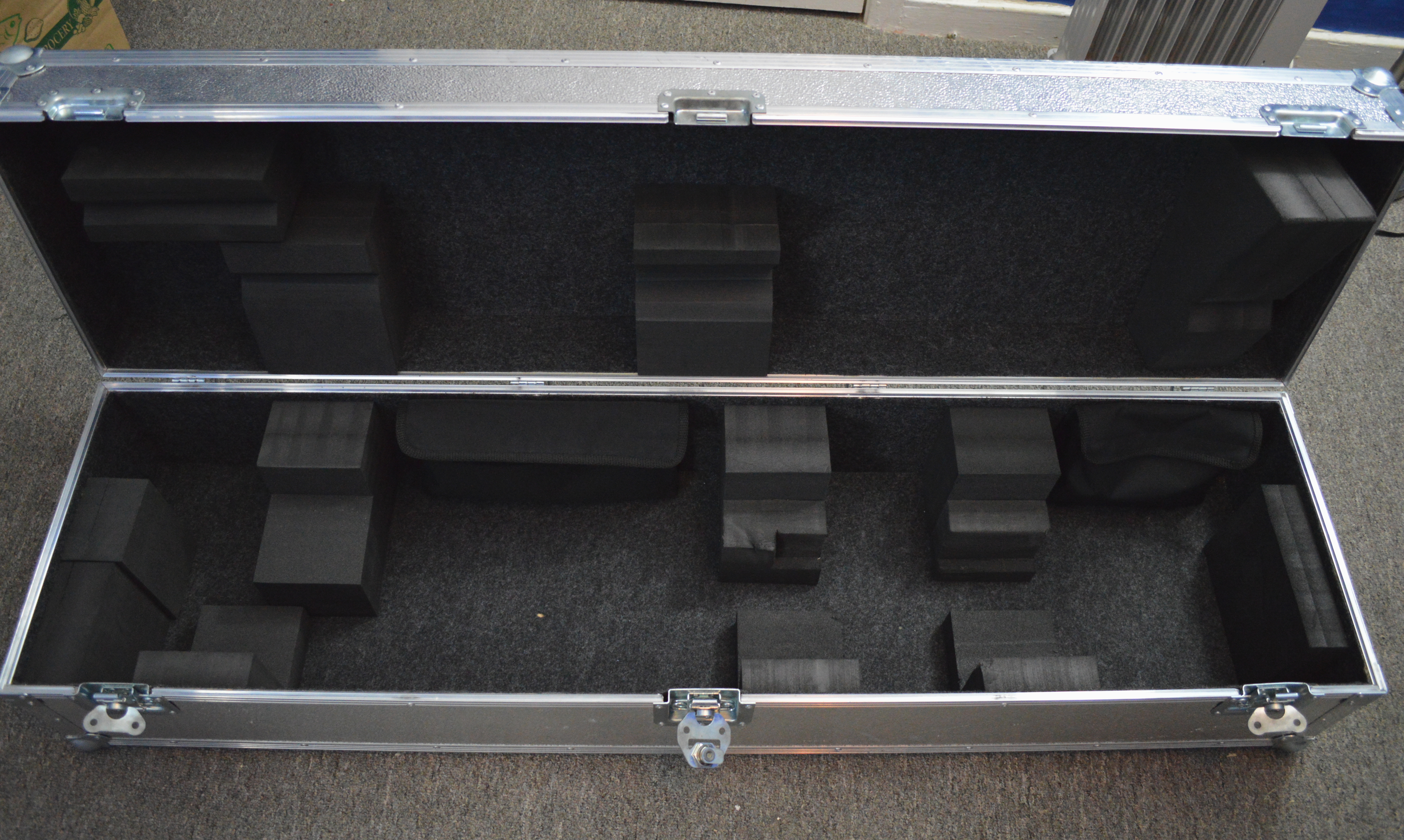
This is mostly only going to interest me, I just got a contraforte gig bag. The case that the CF came in is a large aluminum travel case and I have been trying to get a gig bag for a few months. I tried to do some research into this gig bag; not only are there no pictures anywhere, it is not listed on the Wolf website. I was lucky enough to buy this through Midwest Musical Imports, who is the only Wolf distributor in the U.S. So here are the two cases..
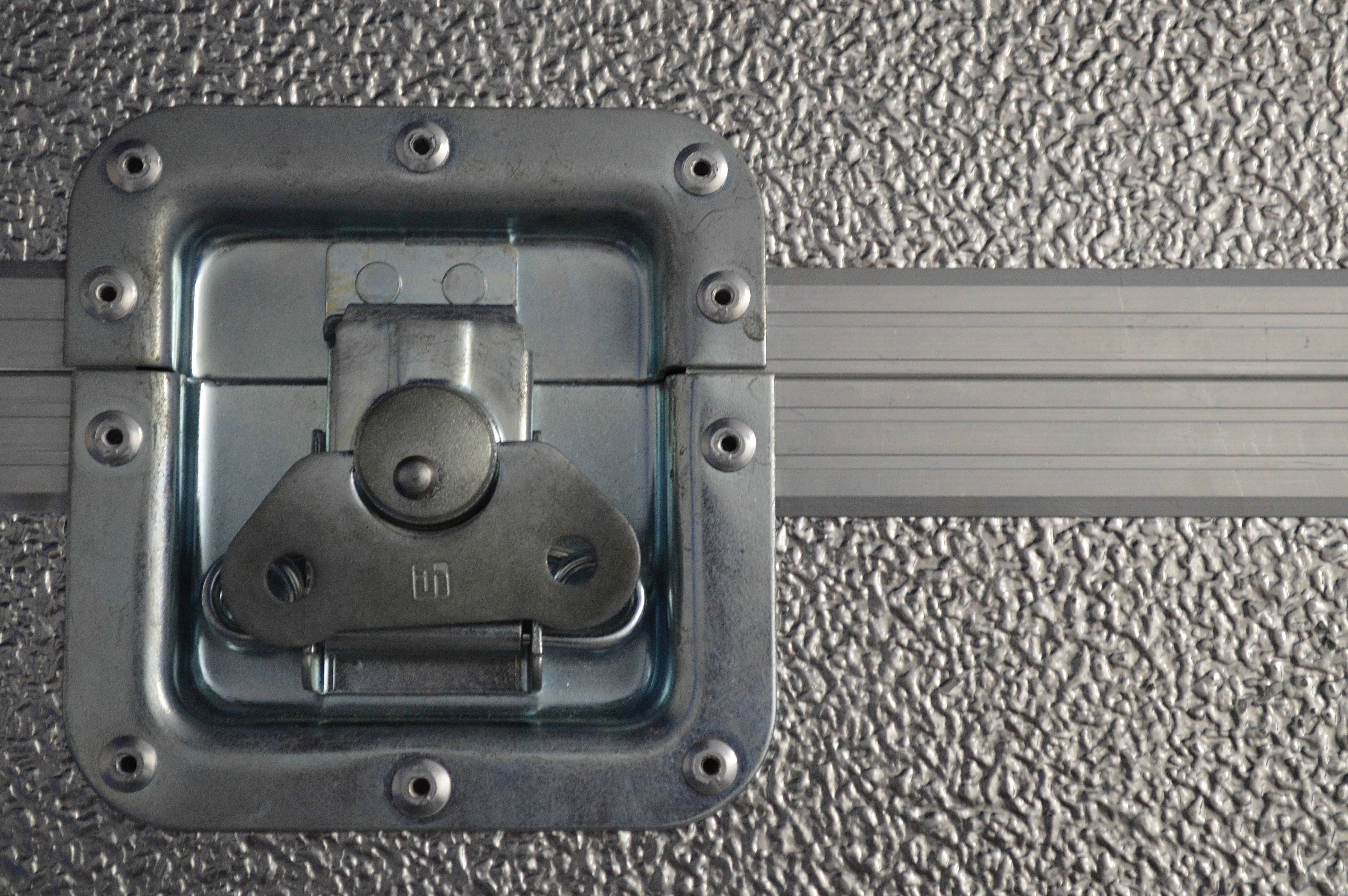
The aluminum travel case is similar to what Maurice Rouillard makes at rouillardcases.com in Canada. However this case has rotating closures and wheels. The firm foam holds the CF in place, there are interior pouches for bocals and small accessories. This has been a great case but it is very large and heavy, I don’t need it for everyday use.



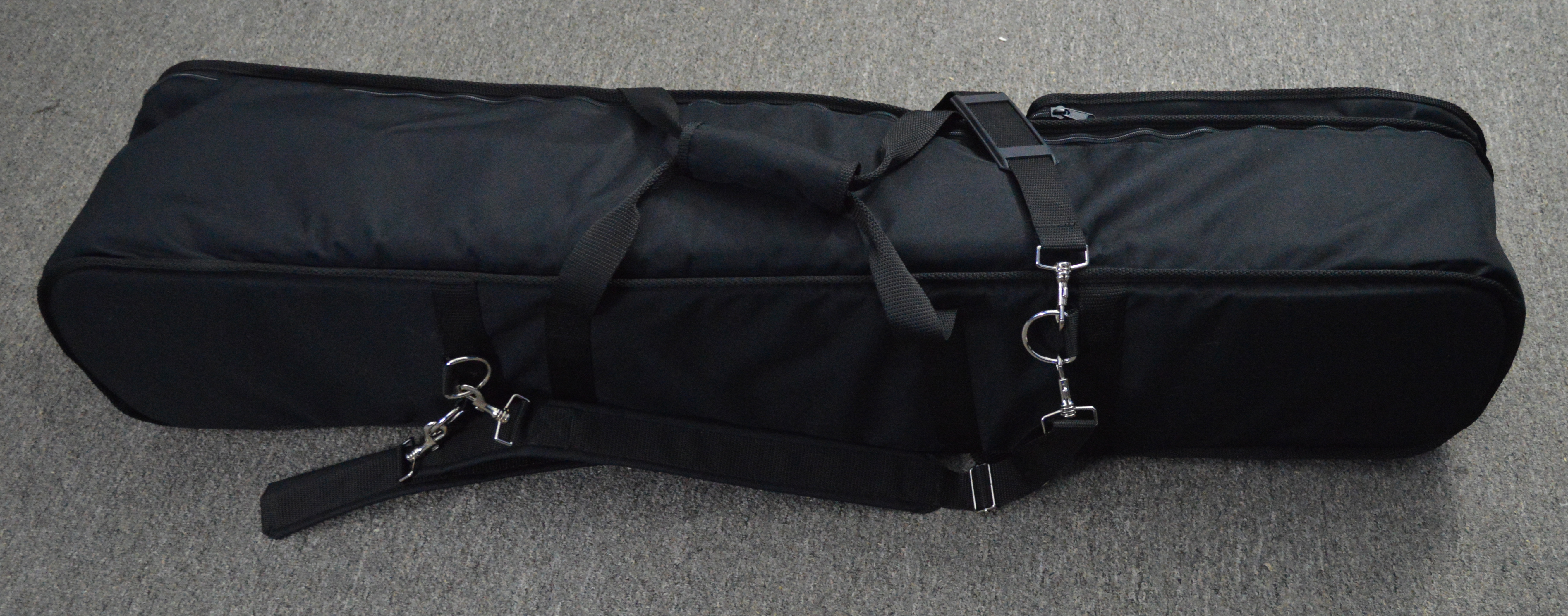
I just received the contraforte gig bag this week and so far it has been very easy to commute with. It has very thick interior padding and is lined with felt. The exterior has a music pouch, accessories pouch and backpack straps. The case does not have interior bocal storage so I’ve been keeping the bocal in an extra Fox bocal box in the front.


This year was my first IDRS conference yet and it was amazing! I met so many legendary players and nice people. There was an entire room of vendors and instruments to try as well as a room full of music provided by trevco. The bassoon selection was impressive and included:
Püchner
Fox
Moosmann
Walter
Wolf
Schreiber
and oboes were brought by
Marigaux
Buffet
Fox
Püchner
It was odd that even though there were Loree oboes and Heckel bassoon at the conference. Loree and Heckel were not there only their used instruments were sold through other sellers.
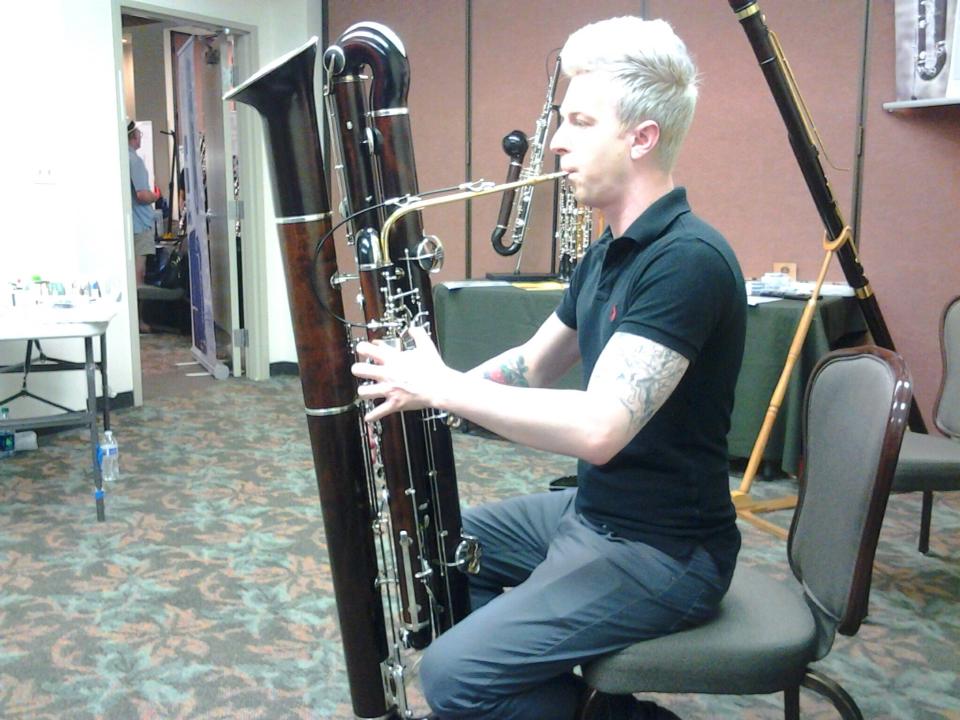
Legère reeds were there and many more bassoons were hooked onto some synthetic reeds. Other innovations were brought by Guntram Wolf. They brought a Lupophon and the Contraforte.
Now this is particularly interesting to me because I have been seriously getting into contrabassoon and I feel a strong pull towards the contraforte. I am now raising funds to buy a contraforte to take auditions with. I have a list of repertoire to perform and record on it and was a great treat to get to play another one this week. If you ever get a chence to get your hands on a contraforte, test it! the dynamics, range, note connection is all much easier.


One thing that sets the bassoon apart from other members of the orchestra and even the woodwind family is the price of the instrument. I don’t know a single bassoonist who bought their own first professional instrument. It seems like bassoons are also becoming more expensive, I remember when i was in high school looking at a new Renard 240. 7 years ago they retailed for a little under $6,000, and now nearly $9,000.
I usually thought it was either market inflation or just greedy business owners, but now after having additions done to my own bassoon I can see the amount of work involved. I found a series of videos on youtube about the manufacturing of fox bassoons. This was a video put out by fox a few years ago and posted over a series of videos by someone online. Im sure if anyone had an interest they would already have found these anyways but here they are.
Like many players, I am always on the hunt for another bocal. When I was first getting good at the bassoon I was very happy with my sound and then i tried a new bocal and my sound was all of the sudden SO much better. I think that experience created new way of thinking, that there is always a richer more vibrant sound that i can achieve.
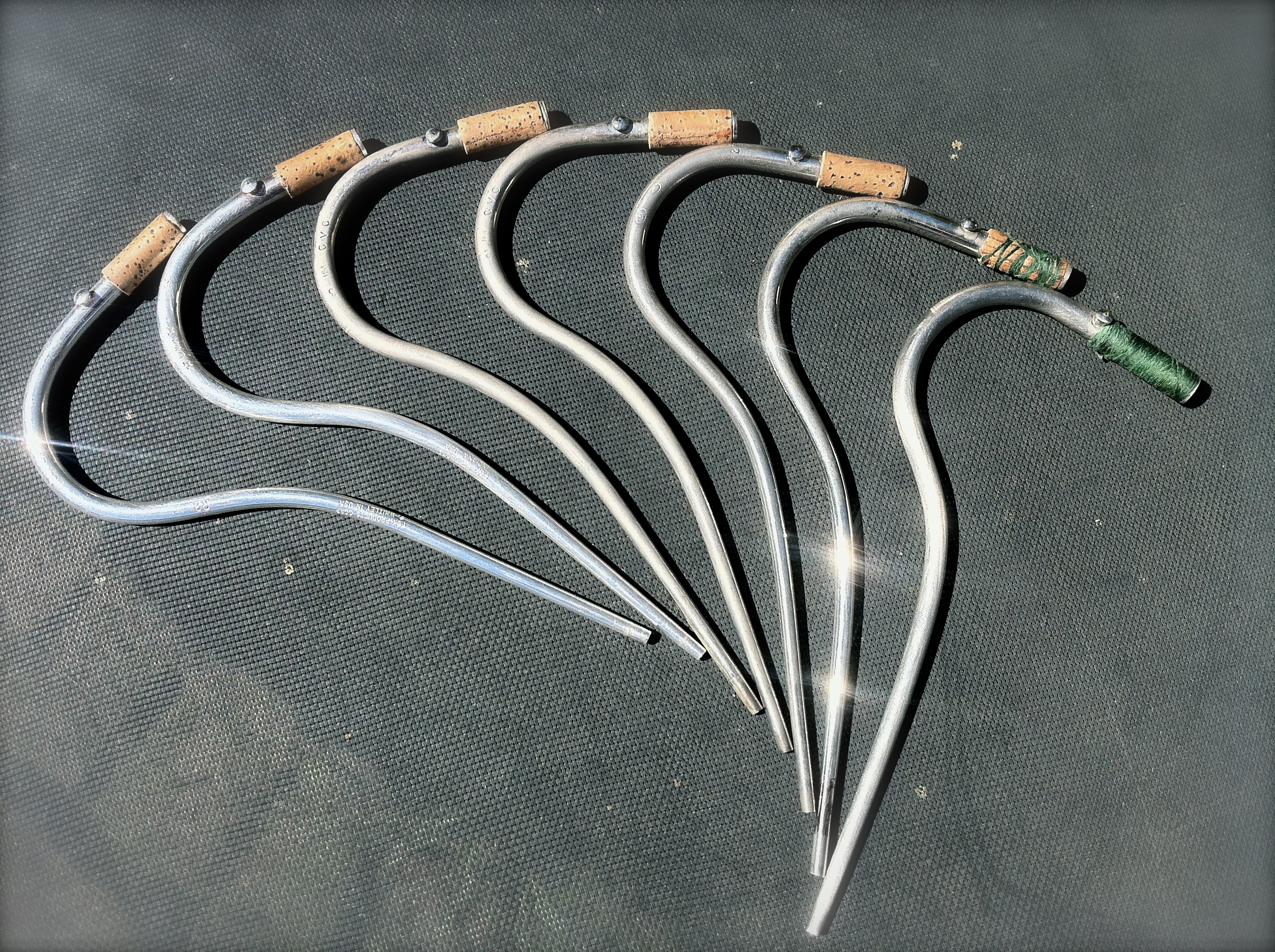
So now I have a bit of a bocal collection going. I really only use one bocal everyday and then I have some specialty bocals. I have: Fox *CVX*R2, *CVX*2, CVC2, CVC3, C and then a few no name bocals that came with my student instruments. I am not a very big fan of Fox bocals but when i try a batch of them i usually find a good match in there. Fox bocals have also in my experience been the most consistent. I have had a few used Heckel bocals sent to me on consignment and there is a drastic different between two bocals of the same model.
I purchased a Fox *CVX* R2 last spring and so far it has been the best bocal I have paired with my Fox 601. It has very little resistance and great pitch control for low notes. The high notes are a little harder to get out than on my *CVX*2 which is the only reason i have a *CVX*2. My two CVC bocals came with my current bassoon and for me they aren’t as vibrant as i would like them to be, they tend to be a little muffled and don’t have the high notes.
I am VERY lucky to work down the street from Forrests Music. After work or on lunch breaks I often go over to test used instruments and bocals. I have gotten the chance to try out the Paraschos bocals and the Leitzinger bocals. The Paraschos bocal comes in two forms, one as basically solid wood and the other lined with metal. In my experience the Paraschos lined with metal seems to be more resonant and the solid wood version muffles my sound. These bocals are also new so I’m not sure how long their live expectancy is (cracks etc.) Now the Leitzinger bocal is another recent addition or at least in the last few years. There are so many different specifications for these bocals; alloys, length, bend, plating and taper. I haven’t gotten to try all of the different options by far but for the few bocals I tried they seem to be very open and vibrant. Easy playing in all ranges but again i think certain models are better suited for the highest playing. Id seriously consider a Leitzinger as my next new bocal.
Last week I tried the Leitzinger bassoon as well, it seemed to me like more of a gimmick. Like they have great bocals and now they made a “bassoon to match.” It’s priced “competitively” at $24,000. I only got a few minutes with one, and I know that we are all used to our own instruments but the pitch and projection wasn’t even as good as a Fox 240. The f# and g# keys also must have been drilled incorrectly because anything involving those two keys was uncontrollably sharp and had far too much resistance.
These bocals can be found new or used (on consignment):
http://www.millermarketingco.com
Recently I’ve had a contra bassoon to use while i have been playing in the San Luis Obispo Symphony. Im not much of a contra player but its been fun to play some old rep again on it.
these contra bassoons can be bought for CHEAP at:
http://www.wwbw.com/Amati-ABN36-Contra-Bassoon-464436-i1425200.wwbw

Recently I have been teaching my students lessons that have been based around their own interests. A few of my students have been interested in contra and so I’ve brought in the contra for them and some of my student have been interested in reed making so I taught them about reed adjustment.
I think that it is important to break up the gloom and doom of regular lessons, etudes, and scales with something that really pique students’ interests. Most bassoonists think its very fun to try new equipment, and playing contrabassoon is a useful skill for learning bassoonists.

 Kristopher King