san francisco
Downsizing Bassoon Collection
I have started to develop a bit of a bassoon collection and I don’t get to play some of them.
My high school bassoon is usually rented out to students, but it has been sitting in my closet for the last year. So I’m going to sell it! It’s up on eBay if anyone is interested. This is a King Symphony Bassoon made by Schreiber in Germany and stamped by King, the America instrument manufacturer.
Contraforte Range
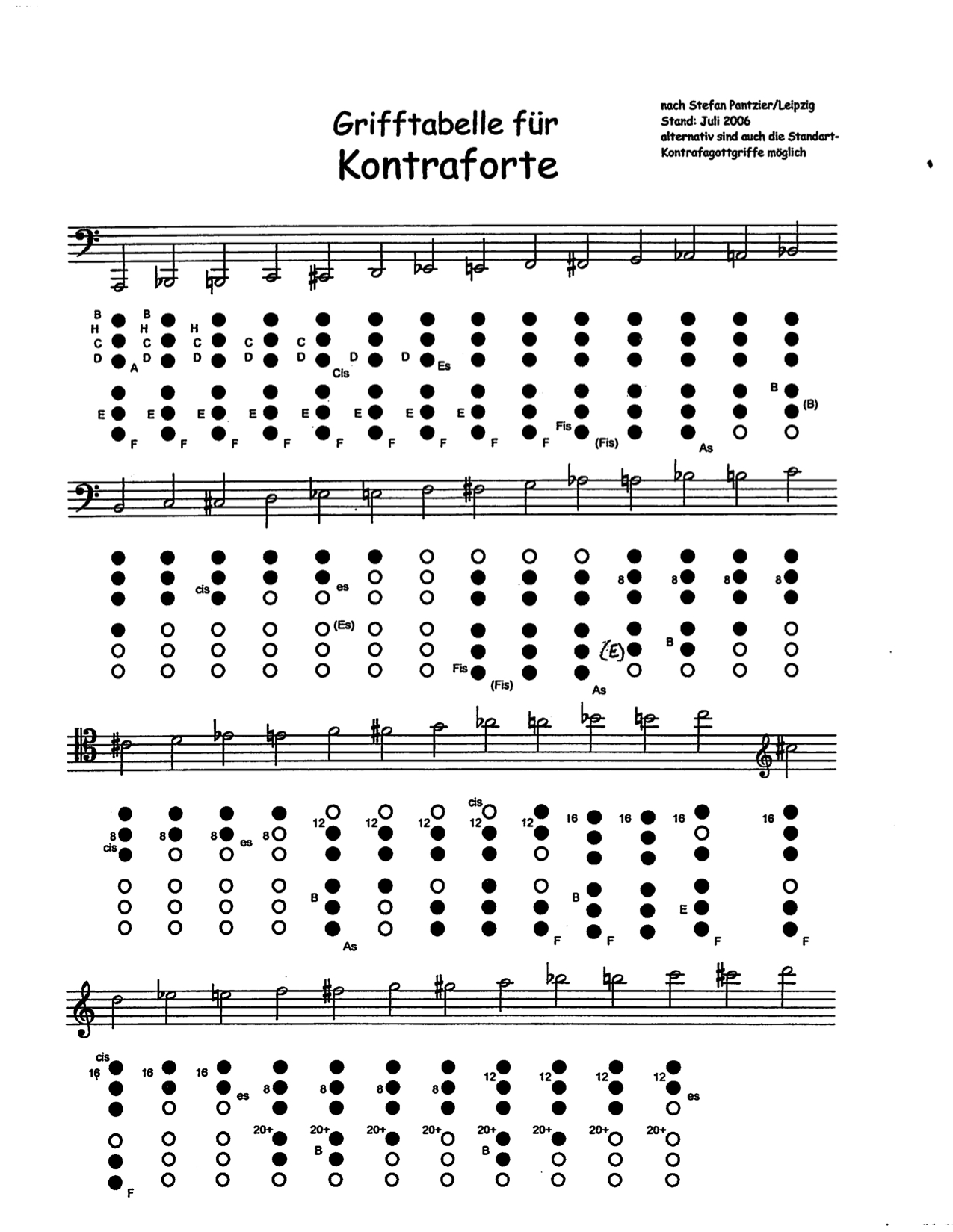
The usable range of the Contraforte is from A0-C5. This is an improvement on the contrabassoon range by a few steps. Although I know some very talented contra players that can play almost as high as any contraforte. Im mostly posting this so that composers are able to hear the timbre change of the different registers.
The Contraforte does not have a dependable high D but it is possible. Here I play the opening bassoon solo from Stravinsky’s Rite of Spring, at actually pitch. I used an extremely thick reed with a lot of resistance.
Thomas Adès and the San Francisco Symphony
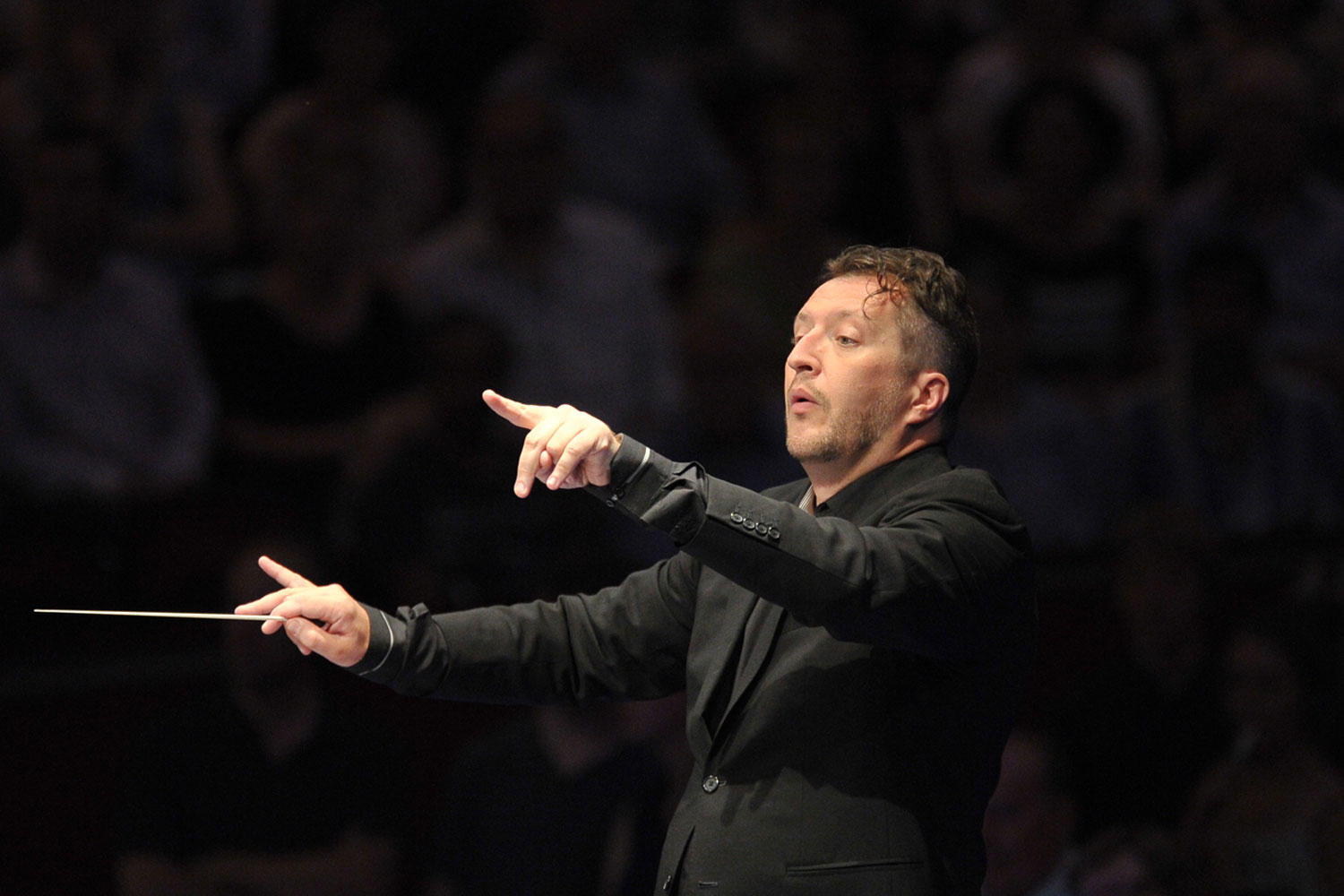
This weekend (March 5,6,7) Thomas Adès with be conducting his own composition with the San Francisco Symphony. His piece “In Seven Days” is based on the seven days of creation outlined in the book of Genesis. It is a multimedia piece including video projection and he scored it using a contraforte!
Bay area people should all go and hear some contraforte in Davies hall!
SF Symphony Tickets
This is the first time that contraforte has been used in the San Francisco Symphony and it will be performed by Steven Braunstein.
Here I am visiting the Contraforte tamer
Green Reed!?
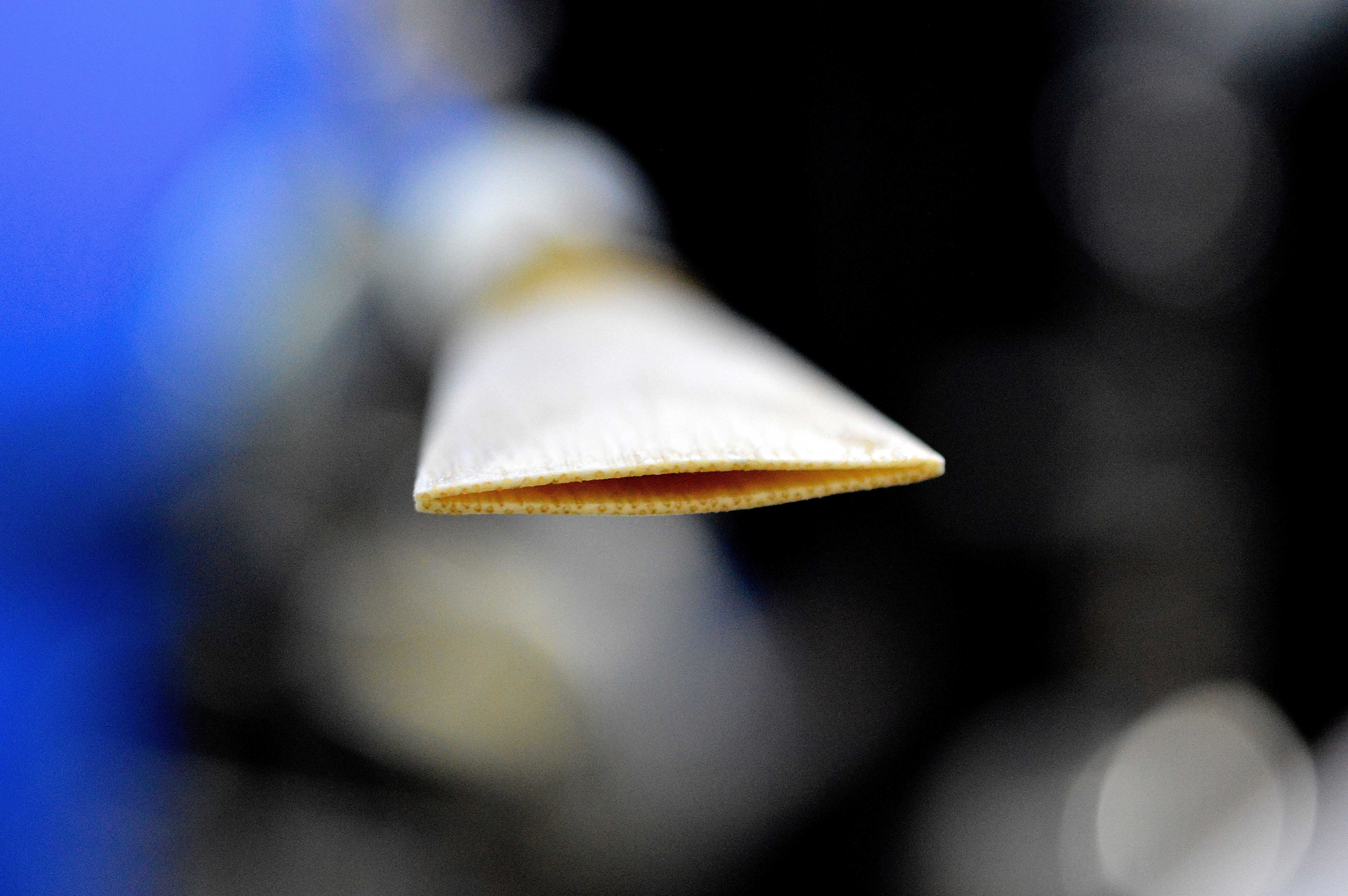
I tried an experiment last week involving a Green Reed for Contraforte. I just harvested some cane in early January and decided to try to immediately make a reed out of it instead of letting it dry. And this is what turned out! I regular reed that sounded and acted like any other reed but it was fresh green cane and didnt need to be soaked in water before I played on it. The texture was similar to a very hard piece of cane so I had to make this thinner than I would normally. After a few days it started to dry out and warp and is now is playing very sharp. Next I’m going to try this on regular bassoon.
I would suggest trying it to all of the cane harvesters out there!
Contraforte: A Year in Review
December 2013 was a very important month for me because of the purchase of a Contraforte. This horn was owned by Lewis Lipnick of the National Symphony in Washington D.C. (who is an amazing person and an amazing player) When I bought it, I drove my little Prius from San Francisco to Washington DC to pick it up and drive it back. Now that I have had it for a year I think I am in a better place to talk about my experience with this instrument. My reason for writing this is the same reason for this entire website, basically consumer reports. So many cool new gadgets have been coming out in the woodwind world recently without much user reviews. When I spend money on new equipment I do research to see how it is received by players before I decide to purchase it.
Origin Story (skip this)
In my undergraduate studies at the San Francisco Conservatory I played a little contrabassoon here and there as needed but it never stuck with me. Then after graduating I went and played contra with the San Luis Obispo Symphony for a year. The symphony had an Amati contrabassoon that I was allowed to borrow and keep in my possession full time and this is when I started getting into contra. By having a contra at my house that I didn’t have to share, I put in some practice hours and messed around with reeds. I ended up really liking contrabassoon and decided to go back to the conservatory to study contra with Steve Braunstein of the San Francisco Symphony (another amazing person and amazing player) I was using the SFCM Fox contra which is in need of service and a better bocal so I was frustrated. I was looking around the used contrabassoon market all summer and fall looking for anything worthwhile, but the contra market is slow/limited, very difficult to play test without committing to buy. My thought at the time was that many people have middle range contras with the intention of upgrading sometime in the future, but I would rather just spend some money on a nice contra now and have it for the rest of my life. So I contacted a few big players all around America to see if they new of any contras for sale. Lew got back to me and said that he was selling his current Wolf Contraforte (#35 circa 2009) and replacing it with a new CF which had a few updated acoustics.
January-March
For the last year or so I had been playing contrabassoon for at least an hour a day so I was used to the fingerings, air pressure, and reeds. I am the kind of person who takes a while to adjust to new instruments, even to the point that play testing instruments for a few minutes is a waste on me. So when I first had the Contraforte I really didn’t like it. I was able to play low notes slowly and sort of go through the fingering chart and play the full range. There were huge problems immediately; I was very sharp, I only had one reed, and I could only play forte and louder. I new that the contraforte needed reeds that were larger than the contrabassoon but I didn’t realize that I needed special machines. So I was going to be completely reliant on Hank Skolnick to make all of my reeds for me. I decided within the first month of having the CF that I needed to have my own gouger and profiler if I was going to make this instrument play correctly for me. So with a little student loan money and the help of Steve B and Chris van Os I got a pair of machines. I tried all sorts of dimensions and shapes but 160mm cane with the Reiger contraforte shaper was always the best result, and still what I use. I should mention that the CF comes with an adaptor to fit regular contrabassoon reeds but middle F# cracks nonstop and so does tenor Db. I read somewhere that they also can make a bocal which is slightly longer and fit a regular contrabassoon reed, which might be better than the adaptor (which creates a dramatic flare in the bore right at the beginning) The CF does not have a tuning slide and is built closer to 442 than 440. Compared to a CB this is strange, but similar to bassoon you just learn to make a reed that plays in tune since there are no moving parts for tuning. I was at this time very primitive in the reed stuff and experimenting with the gouge, profile, thick/thin rails, think/thin heart, think/thin tip. Each reed in the reed case was individual and I wasn’t able to duplicate the same reed, the tones possible with those reeds ranged from distant muted tuba to amplified chainsaw.
April-June
I needed to have a recital to graduate and I had been spending way too much time on contra and not enough on bassoon. So I put a contraforte show together with the Mozart oboe concerto, a Mignone Waltz and Sonatina d’Amore which is a contrabassoon duet. The contraforte played great despite a few operator errors, and was received very well. I was experimenting with narrower shapes at this point using a Rieger K1 with 160mm cane. This created a simpler reedier sound a lot like a contrabassoon. The SFCM orchestra was playing Don Juan, the big oboe solo in the middle is accompanied by a drone low G in the contra. At the time, this narrower shape was the only way that I was able to play quiet enough. I always had a few of these narrower reeds in my reed case, the issue was that the internal volume of the reed was not enough for the entire range of the instrument. It seemed that I could make a reed with a resonant low register but too thin in the higher register; or a high note reed that was sharp in the low register.
July-September
Over the summer I bought a few more gadgets, with the help of Trent at Midwest Musical Imports. I bought the contraforte stand and gigbag from Wolf. The stand is huge asset, since the horn doesn’t come apart it isn’t possible to clean it out very much. Leaving it out on the stand is essential so that it is able to dry out. For reeds I was completely on the Rieger C2 which is the contraforte shape, this is the shape I have used full time since. The San Francisco Opera was auditioning utility bassoon and contrabassoon and I took the audition along with everyone else from the Bay Area. It seems like the CF is something that people invest in after they hold a contra position, so not many contrafortes have been in auditions. I played alright but nothing special and I didn’t pass into the finals. This was a good hurdle for me to audition on a new horn and it made me more comfortable playing in public. The end of the summer was mostly playing contra duets with people, not so much to show the instrument but to work on blending with other contras and finish sorting out pitch issues.
October-December
Recently I have been continuing my quest for stealing repertoire from other instruments. The range of the contraforte allows me to borrow cello music and the quick response lets me play high woodwind pieces. My last recital had the Brahms Cello Sonata no.1, the Hindemith english horn Sonata, and Syrinx. The contraforte performs great with piano, since I didn’t change the piano parts some of the voicing clashes with the range of the contra. However the tone of the CF is still clear over the piano. I have settled on a reed design which uses the wider reed shaper, Rieger C2, and I leave the blade quite thick. I clean up the collar area and even out the tip but the profiler from Chris van Os is adjusted in such a way that I need to do very little. Having a heavier tip creates a darker sound with easy high notes and the reed doesn’t warp as much in humidity/temperature changes.
Things to Remember about Contraforte
*It’s heavier than a contrabassoon
*Contraforte cane cannot be processed on contrabassoon machines
*Most parts and pieces can only be replaced by Wolf
*Larger dynamic and notation range
*Stable intonation and timbre
The Gig Bag
For most freeway philharmonic players the job is in a different venue each week and students are spread over a few cities. So everyone needs a good bag to hold their tools and equipment in. The bags that I use have to be able to hold a bag of reed tools, three reed cases, a bassoon stand and a contra stand, sheet music (without bending) and random small tuner/metronome stuff. Here are a few awesome gig bags that I recommend.
Timbuk 2
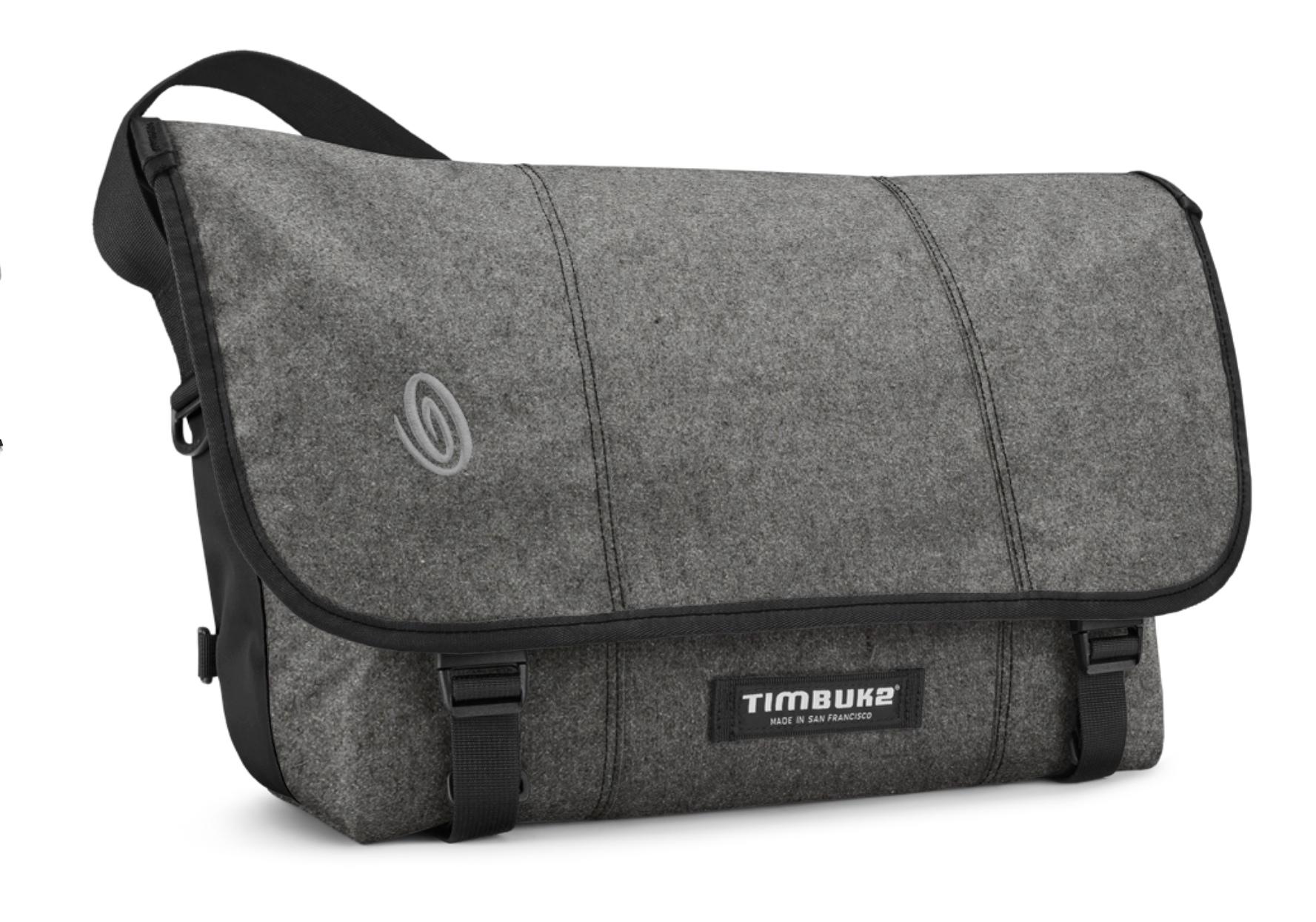
These bags are customizable by size and color. I have the large messenger bag and it fits everything I need. It’s pretty cheap so I use it for everyday stuff. The only drawback is that it isn’t always in the right style for an evening gig, with a tux or suit jacket.
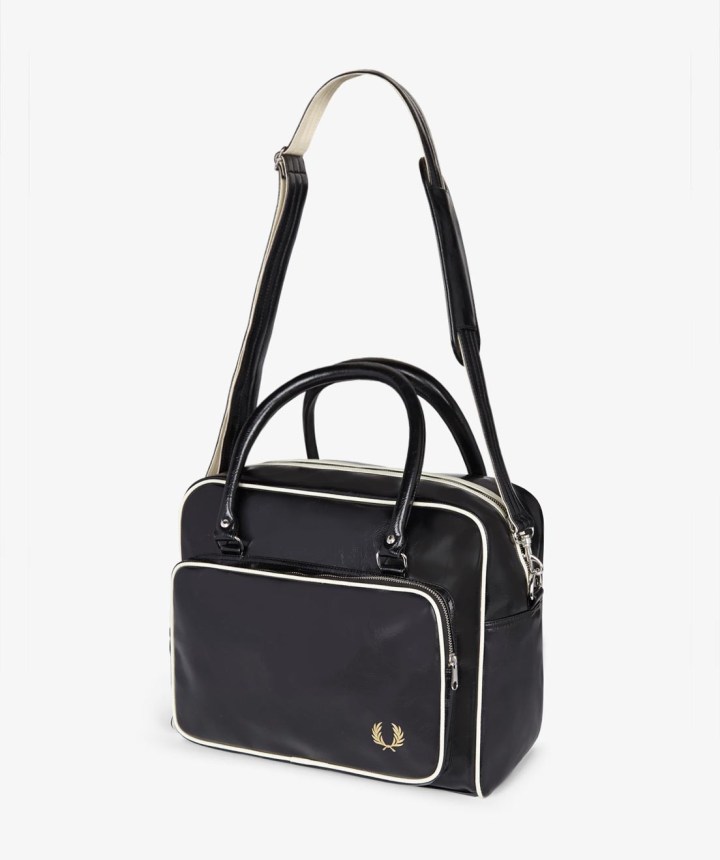
Fred Perry
Fred Perry bags are PVC (vinyl) so they are easier to clean. The style is also more professional looking so it’s more appropriate for gigging. In San Francisco drizzle this is water proof.
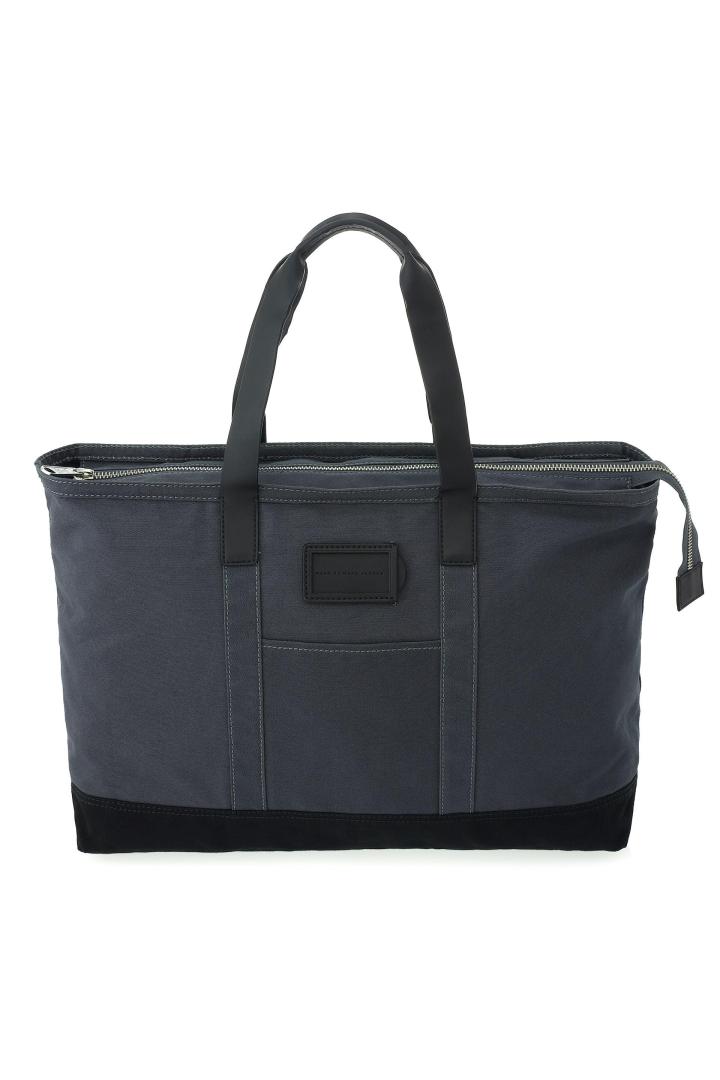
Marc Jacobs
This is my regular teaching bag, I keep scale sheets, a reed case full of blanks and my old school metronome in it. It’s small but still fits a folding bassoon stand.
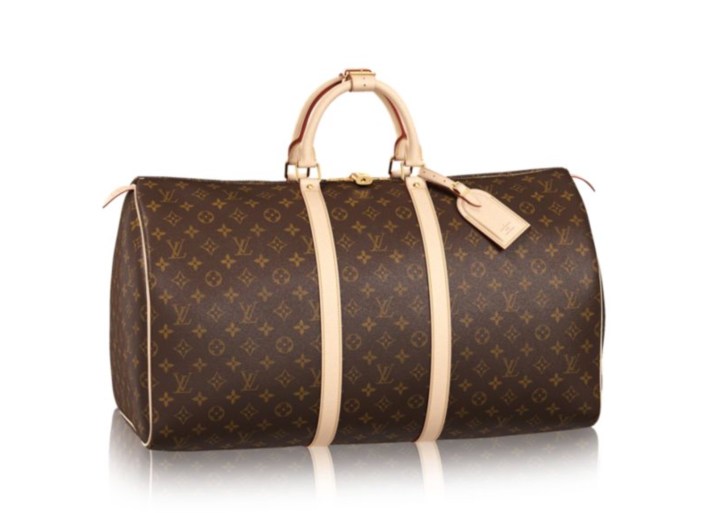
Louis Vuitton
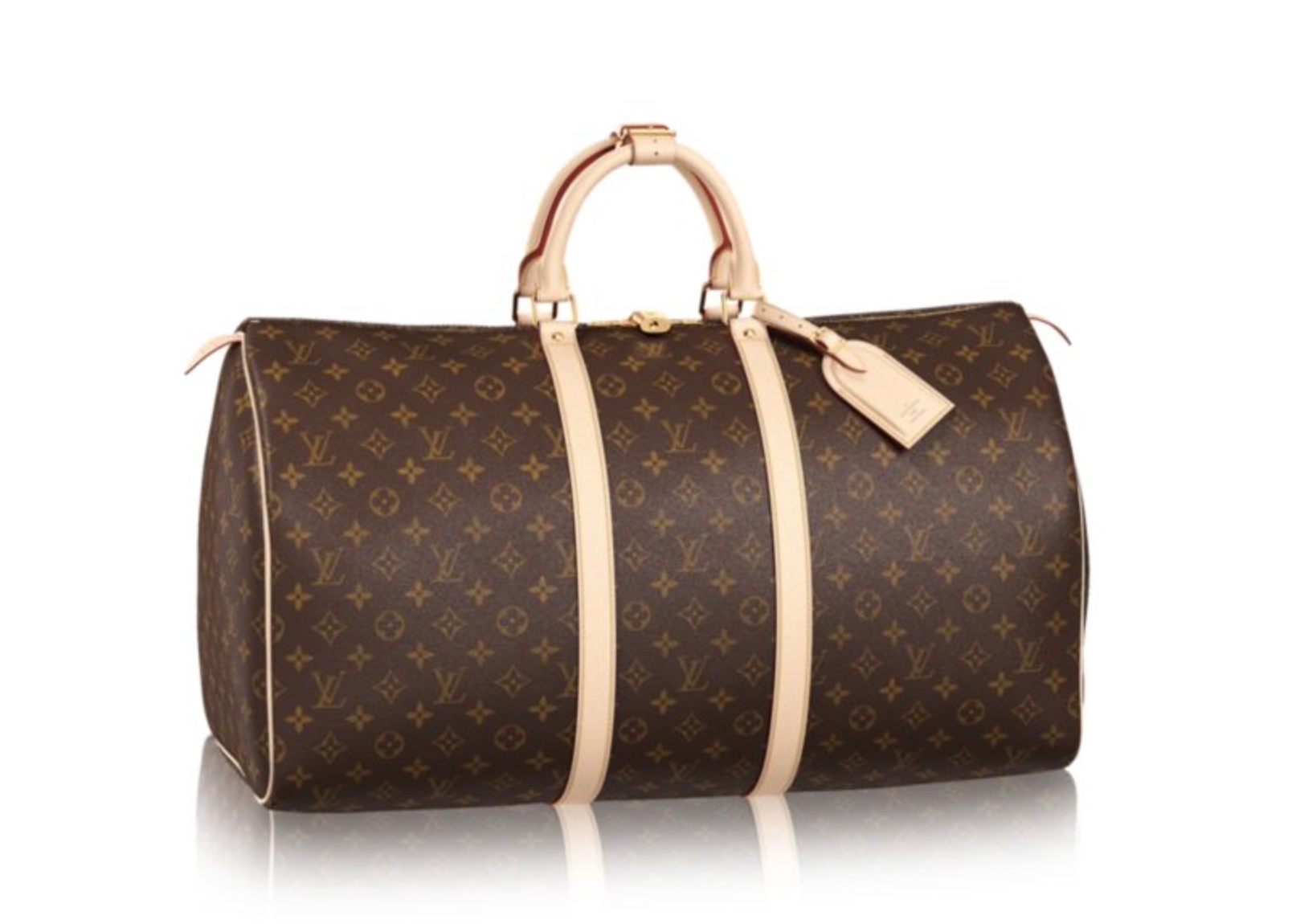
The keepall 55 is the best bag for when I double on bassoon and contra. This fits two instrument stands and all the stuff I need with them. It’s pricey, but they last for years and Louis Vuitton repairs them cheaply.
Wiseman Case
I bought a Wiseman bassoon case three years ago to replace my Fox bassoon case. My Fox professional case was such a hassle to commute with and walk around San Francisco with that I had to buy a replacement. The Wiseman case appealed to me on an esthetic level with the crushed velvet interior and the leather exterior. I have gotten so many compliments about this case since I’ve been using it, most people just don’t believe that a whole bassoon fits inside!
My concern was that that the materials wouldn’t hold up for a few years. The case is made from wood, dense foam, crushed velvet, leather and velcro. For the most part it has all held up well, with the exception of the velcro on the handle. The Velcro that lines the edge of the case is doing fine after 3 years of continuous use, but the handles are falling apart.
After ripping off the first time I took heavy load thread and reattached the strips. It is falling apart again after about a year. This time around Im going to use a set of snaps.
All in all a great case, they have recently launched carbon fiber cases and a bassoon/contrabassoon combination case.
Elevate Ensemble
San Francisco is a hub of new music and small ensembles. One of these newly formed groups, is a chamber orchestra called Elevate Ensemble. This is a unique ensemble in that they perform rare works that don’t receive enough attention. Their next show is on October 10 at 8pm at the San Francisco Conservatory of Music. Come to hear..
Hanns Eisler Nonet no.1
Walter Piston Divertimento
Danny Clay Bethlehem Triptych
Richard Wagner Siegfried Idyll
Tickets available for $15 at eventbrite.com
Elevate Ensemble
Tax deductible contributions with AWESOME PERKS can be made at hatchfund.org
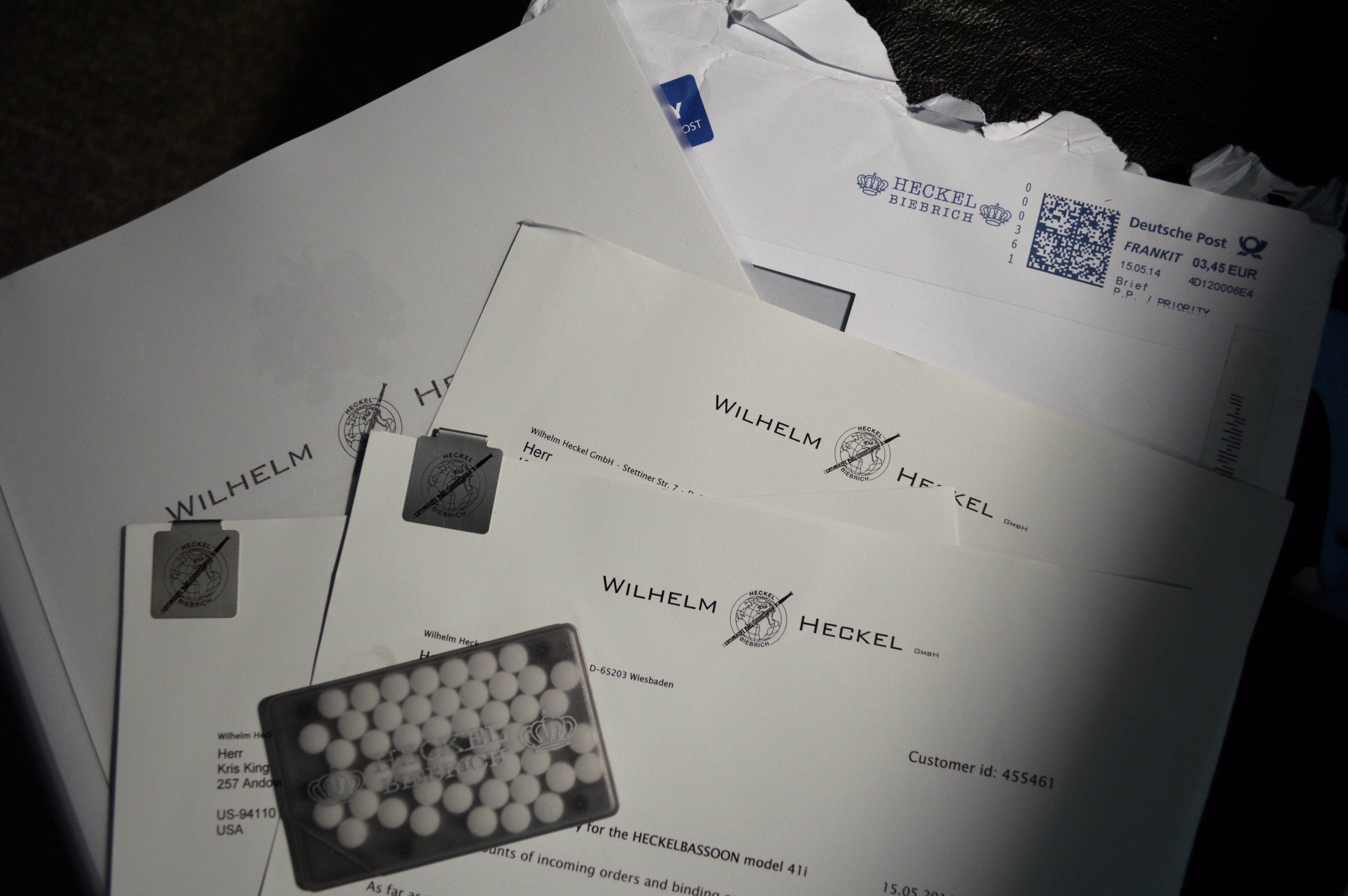
Heckel Order Form
A few months ago I had my first correspondence with Heckel. I am looking for my next bassoon and I have play tested a few new Heckels that I really liked. After emailing back and forth to find out what options were possible, they sent me a mail packet with an order form. I thought that I knew the bassoon options that I wanted, but seeing all of the options layer out on a list was overwhelming!
I am going over the new instrument piece by piece to figure out how it will all look together. I don’t EVER want to buy another instrument after this so I need it to have everything on it that I would need for the rest of my career. Like how high E was a standard key for a while but in the past few years the high F key is becoming normal. I haven been able to make decisions about most things, except for the bell options. The French and Italian bells look great and then the gentleman vs. regular bell lengths…
Italian Bell Gentleman (current favorite)
German Bell Gentleman
French Bell Regular