contrabassoon
Contraforte Recital
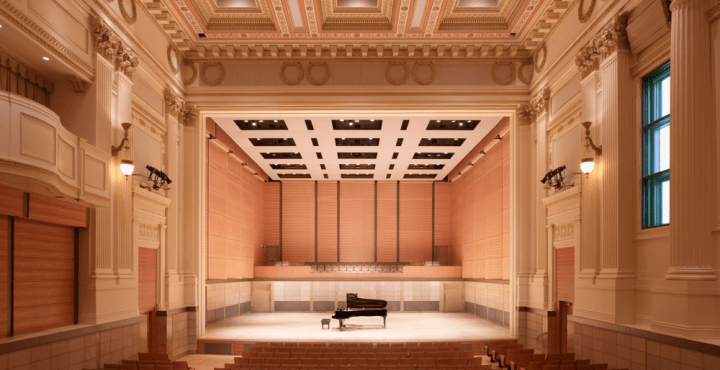
I am giving a Contraforte Recital at the San Francisco Conservatory of Music on October 25 at 8pm. This is in the main concert hall, open to the public, and free. The program will be..
Brahms Cello Sonata no. 1 e minor
Erb Red Hot Duets for two Contrabassoons
Franck Cello Sonata
Special guests: Britton Day and Shawn Jones
John Woolrich – Falling Down
Composer John Woolrich wrote a fantastic piece, Falling Down, for solo contrabassoon and orchestra. This is a performance of the City of Birmingham Symphony Orchestra at the BBC Proms, with contrabassoon soloist Margaret Cookhorn.
Wagner Re-orchestration
I’m not normally a fan of orchestrating piano music, but I just found this orchestration of Wagner’s Fantasia in F# minor and I had to share it. This is arranged for oboe, bassoon, and string quintet. Have a listen!
Neue Burg bassoons
I have had been on a trip to Vienna for the last few weeks. The Hofburg palace houses an antique instrument museum which to my surprise had many bassoons and contrabassoons! So here are a few but not all of the instruments on display
Entrance to Antique Instrument Museum

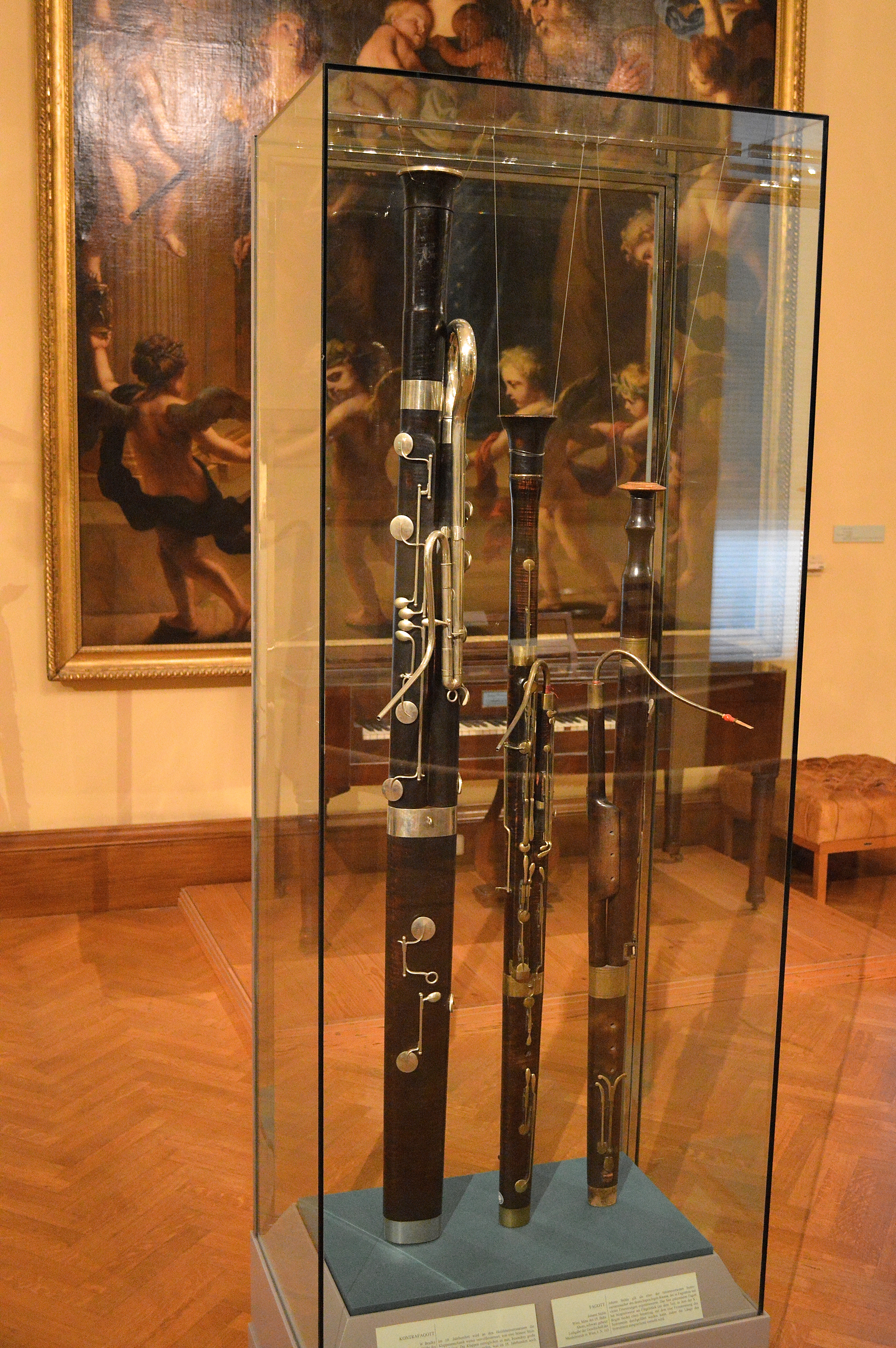
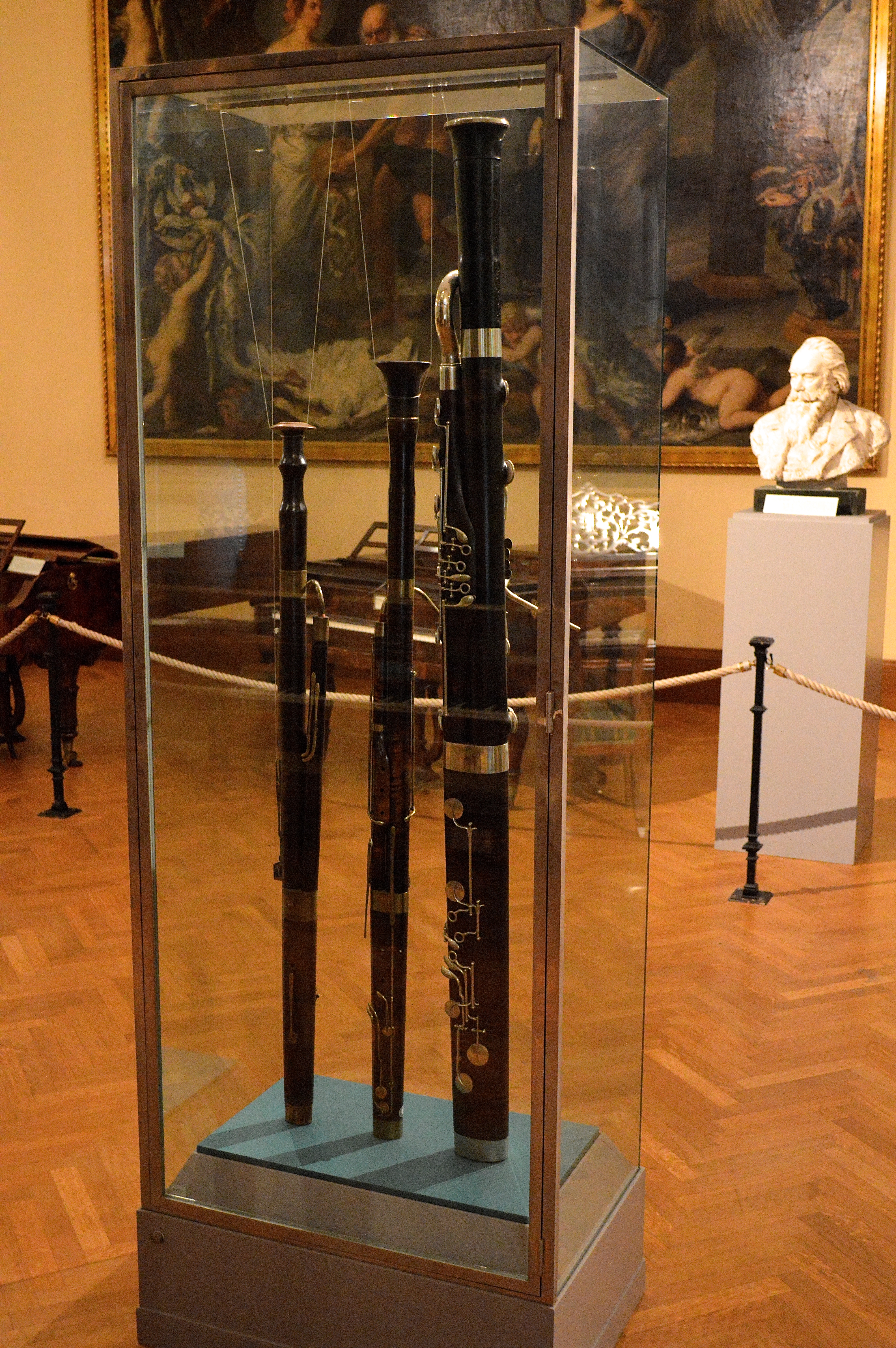
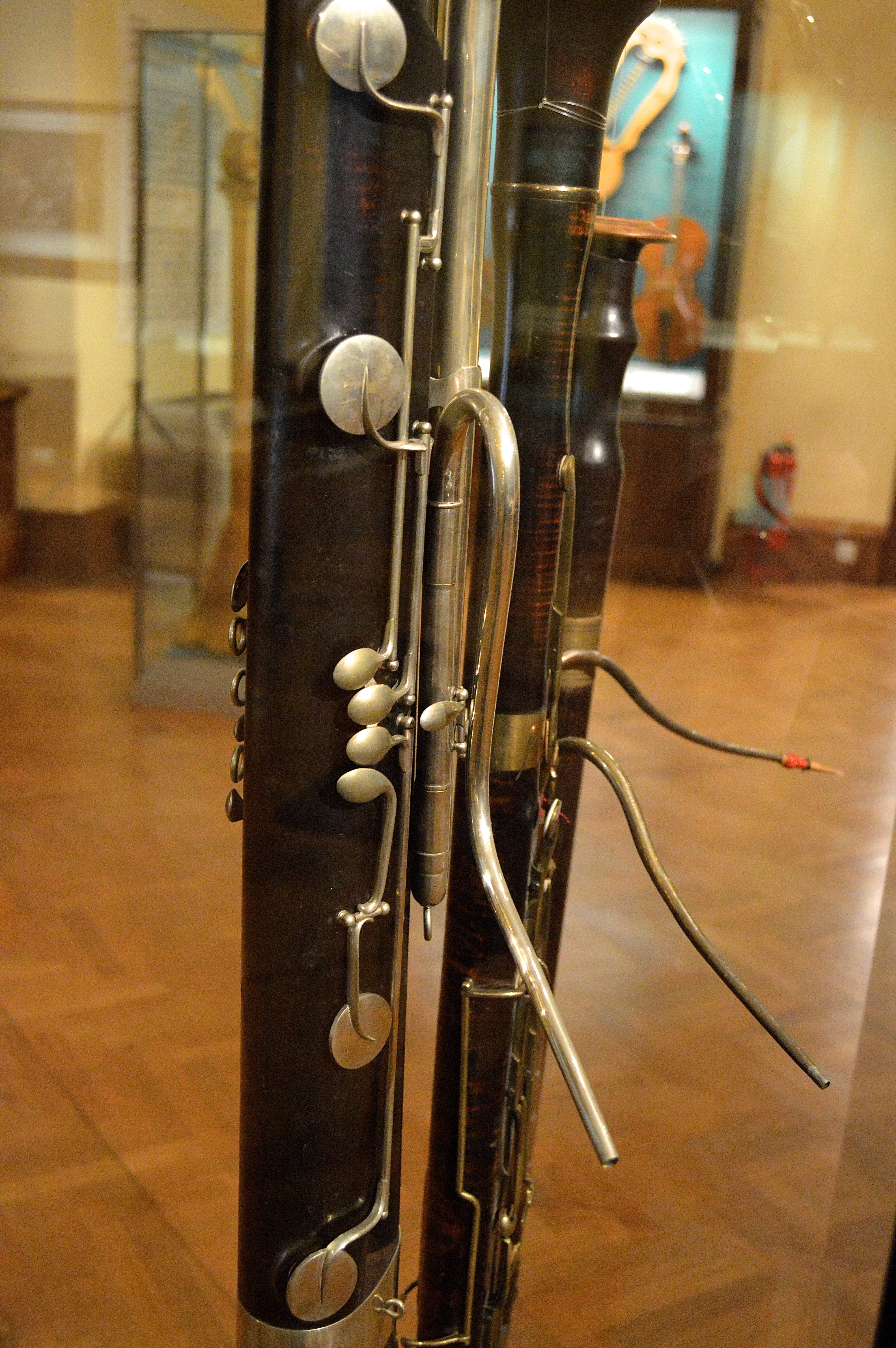
This Contrabassoon was built by Bradka in Vienna, this was his standard model in 1870.

This bassoon was built by Johann Stehle who at the time was considered to be one of the finest instrument makers in the German speaking regions. This instrument was an experiment as it has a tuning slide on the wing joint to lengthen the bore between the register vents and tones holes. This bassoon also has an split bell to add on a low A attachment.

This Contrabassoon was built by Bradka for the Viennese Jubilee crafts exhibition in 1888. This design differs from his previous models because of the rounded U-tubes to create less air resistance. “Bradka seems to have oriented this to a model from 1976 by Alfred Morton” (the contrabassophone maker)
The bassoon is a Heckel from the 1880s.
Old Contrabassoon Listening example
This is an excerpt that I pulled off of an old record demonstrating the instruments of the orchestra. This clip is a recording of the contrabassoon player of the Vienna State Opera player from 1959.
Metal Contrabassoon

This Metal Contrabassoon is made by Evette & Schaeffer in 1900, this horn uses the french fingering system. It is played using regular modern contrabassoon reeds and plays at modern pitch. I had no idea that metal contrabassoons existed until a former teacher of mine was talking to me about having played on one!
Making Plastic Reeds
Legere has been making some great bassoon reeds! but they left out us contra players. So this is a video on making plastic reeds from a commonly found item, a Slurpee!
Renting the Contraforte

This contraforte is rentable! I have been so lucky in the last few years to get some great gigs but I can’t do every one of them. Many times there are enough bassoon players in the section to cover all of the parts but no one has a contra. So I rent out the contraforte on a short term basis. To rent the horn I need a few weeks notice and the player is required to come to the house for a brief lesson on assembly and maintenance. The rental is for use in California only, pricing is based on the project.
If you are interested in renting the contra just send me a message through the “connect” page



 Kristopher King