shapers

A standard tool in any reed making kit is a shaper. This gives the proper dimension to the reed blade and tube. I have a few that I have collected and I really only use 2 or 3 of them. I have always found it very interesting that such small changes (hundredths of millimeters) could make such a dramatic difference in tone, pitch , and ease of response/articulation.

I mostly use fold over shapers in conjunction with a handle. But I think I am going start finding more straight shapers. I have…

Fox 2  15.2mm tip

1A 15.5mm

13 15.5mm

14 14.5mm

K1 20.5mm

C2 23mm

For myself I use a Reiger 14 shaper and I am very impressed by the response. I can articulate a high F, and still play pianissimo low notes IN TUNE without struggle. I find that my students respond best to the Reiger 13. The 13 is like the 1A except the tube is narrower, this back pressure helps with air management and articulation. The Fox 2 straight shape is a really great shape, and I would really suggest that this be a high school students’ first shape.

The K1 and C2 are both new to me. The K1 is a contrabassoon shaper and unlike all of the very subtle differences in bassoon shapes, the contrabassoon shapers are all dramatically different. The K1 to me is a very standard shape and makes the style of reed that I am most used to playing on.

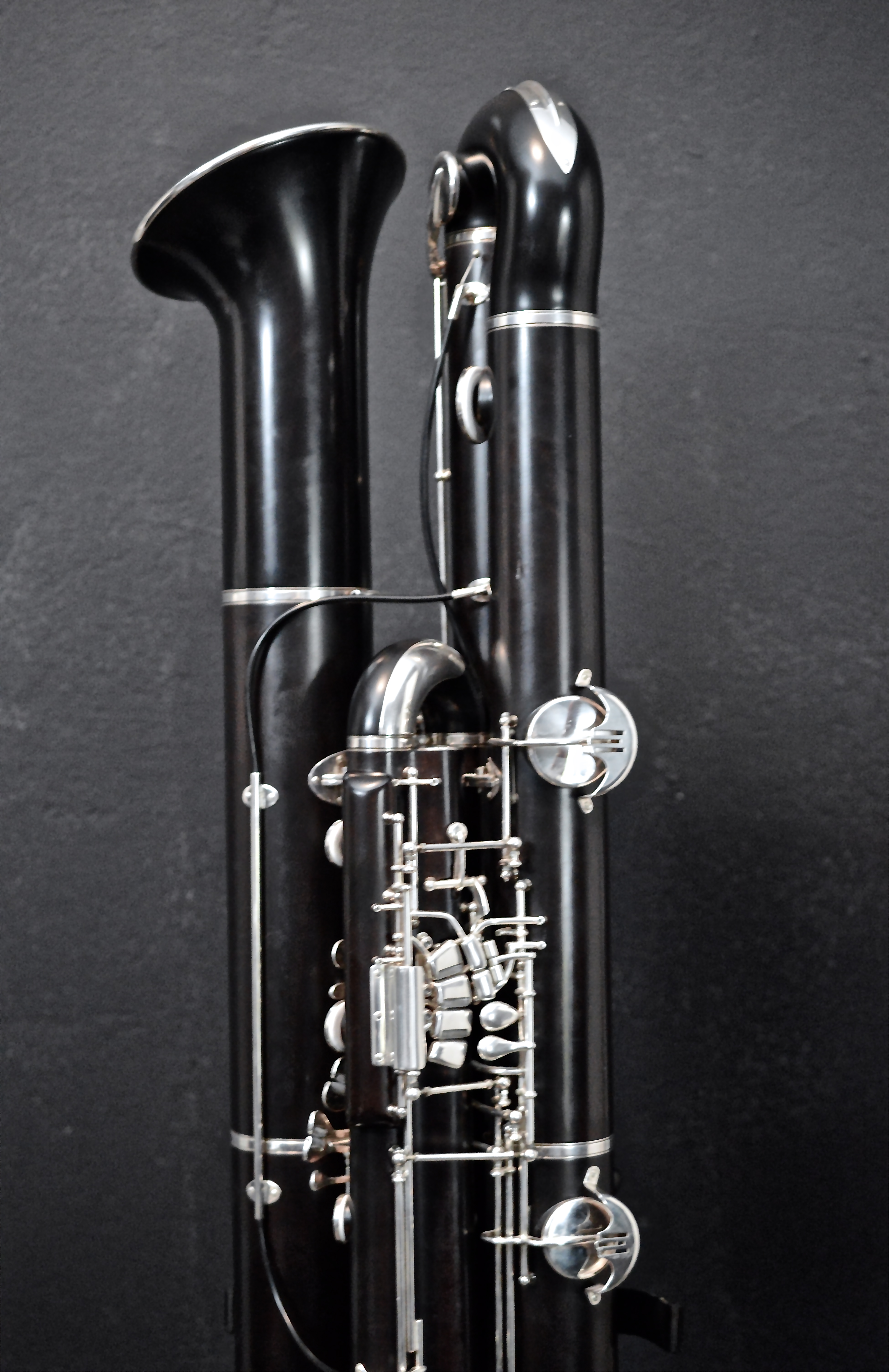
The C2 is a contraforte shape which ends up making very wide reeds, and so far this is one of the two contraforte shapes that exist. There is still some debate over the length of contraforte cane. Contrabassoon cane is 150mm which is what some CF players use, for me that creates a reed that is unstable and actually tend to be flat. I mostly use 160mm cane which suits this shape pretty well. I have even heard of people using 170 and 180mm cane!

Now my teacher Steve Braunstein has quite a collection of straight shapers. What is interesting about them is that you are about to shape one side of the cane, slide the cane over a bit, and shape the other side. So in our experiments to find contraforte reed shape he is able to use contrabassoon shapes and make them wider. This is a great advantage to me since there are few options for CF shapes, so I will be finding some straight shapers in the future.
Kris's Reed Desk

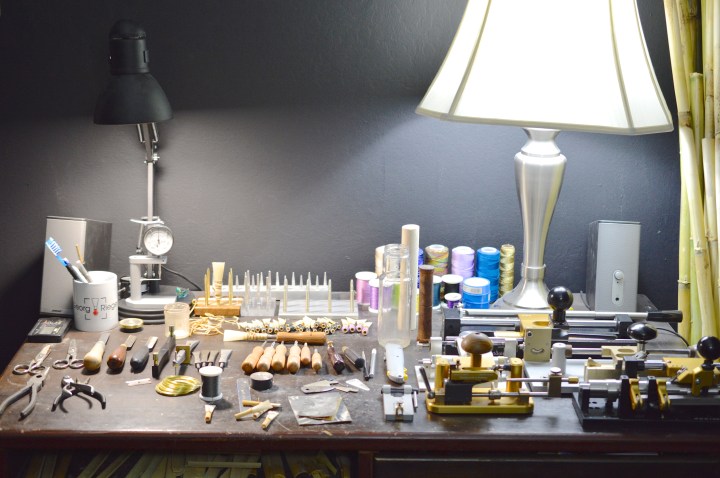
The next few entries that I would like to post have to do with my reed desk. I firmly believe that the quality and reliability of someone’s reeds is directly affected by the quality of their reed tools. Generally I have found that people who have great reeds on a daily basis without any “reed panic” days tend to have great reed tools that are sharp and in adjustment.

I would like to post a few entires on a consumer level giving detailed reviews of some of my machines and products. This will be bassoon, contrabassoon, contraforte, or general purpose double reed equipment. I have no affiliation with any company but have chosen my equipment based on reviews, function and the recommendation of my teachers.

contraforte

After a few weeks of having the contraforte I am having a recital! I am very excited about the program, and if you are in the bay area you should definately come. March 8 at 8pm at the San Francisco Conservatory of music. This is an all contraforte recital featuring

Mozart’s Contraforte Concerto (possibly known as an oboe concerto)

Mignone Waltz

Dorf Contrabassoon duet

If we all live through it, there will be cake!

20140113-202628.jpg

I just bought a Snark tuner to try out. Many of my colleagues have it and they have nothing but positive things to say about it. I have had clip on tuners before, or at least an extension to plug in to my regular tuner.

The Snark is very quick and responsive, there is no lag time waiting for the tuner to focus on the pitch. There are settings to either pick up vibrations directly from the instrument or to pick up sound through the microphone. The pitch level can be calibrated from 415-466.

This tuner is great for bassoonists because it can easily clip onto the bocal, or onto a oboe/clarinet bell. I actually purchased this tuner for my contraforte and like most tuners it cannot register the lowest octave. That would be my only drawback.

I have some basic care tools that I use to maintain my instruments. Key oil, cork grease, bore oil etc. But there are some things that I have found to be very useful especially in buying a used contraforte. The contra was in the use of Lewis Lipnick, a very accomplished and busy player. It had some tarnish on the keys, and I don’t trust myself to take it all apart to clean it. Contrabassoons and contrafortes also suffer from water problems. Contra is the only woodwind instrument that never EVER gets swabbed!

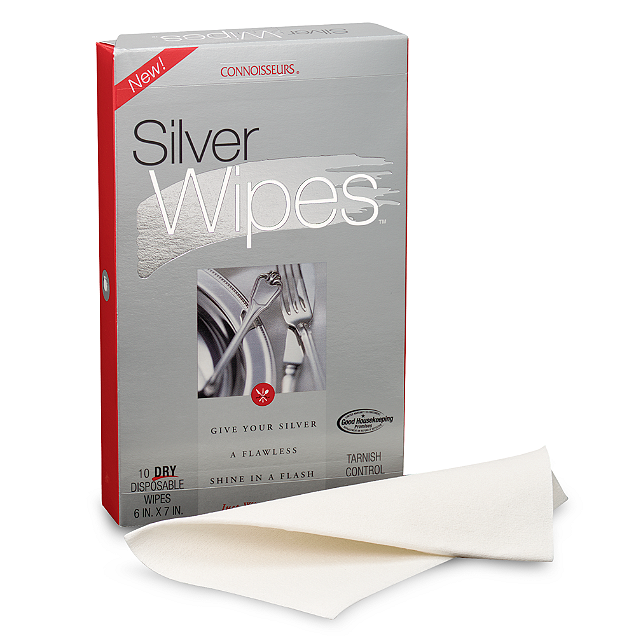
I found these silver polish strips to be amazing! You get a wet paper towel, wipe down the tarnished area and then just wipe it with the polish wipe and its done. I also have “acidic hand oil” like we all do, but mine can damage the plating of instruments over time. So this is a very easy way to keep my keys from damage. These I found at Bed Bath and Beyondsilver wipes


The other great find is Silica gel packets; this is a form of desiccant, or a chemical that removes moisture from the air. I bought a couple packs of these and I keep two in the contra case at a time. When the contra is put away in the case, the instrument is still filled with moisture and warm moist air. These packets help dry out the air inside of the case. I bought mine off of Amazon

silica pack

[youtube.com//http://www.youtube.com/watch?v=DeCgJkKnSW0]

The contrabassophone was invented in 1847 by Haseneier. It was intended to improve the contrabassoon at the time by using a very large bore and tone holes. There is a great resemblance to the contraforte! The contrabassophone has a less severe bore flair than the contrabassoon, and is closer to a cylindrical bore. The fingering system is also much closer to the Boehm system flute.


20140101-122922.jpg

Suite V

This fall I am returning to the San Francisco Conservatory of Music for a PSD (professional studies degree) in bassoon & contrabassoon. I am really excited to be studying with both Steve Paulson and Steve Braunstein and I think that my contrabassoon skill will increase significantly!

I am planning out a few recitals, and since this degree doesn’t require any academic requirements, I can program some difficult works. I haven’t decided on the order of the recitals yet but I have planned four recitals, two for fall and two for spring. So these are the possible programs in no particular order:


Paris Conservatory Commissions

Jolivet Concerto

Saint Saens sonata

Dutilleux Sarabande et Cortège


Villa Lobos (or just loosely South American themed)

Concerto

Duo (oboe, bassoon)

Bachianas Brasileiras bassoon No. 6 (flute, bassoon)

maybe a few Mignone Waltzes


Solo Baroque

Bach Cello Suite V

Bach Cello Suite II (possibly on contra)

Telemann Fantasias (some on contra)


IDRS repertoire

Vivaldi Concerto C Major RV477

Hummel Concerto

Dutilleux Sarabande et Cortège

Carter Retracing


I have been putting out reed orders for the past few months with great success and have had a great time connecting with customers. However it has been a hassle to manage reed orders along side regular gig emails etc. so I decided to create a reed website! It is a site that will be constantly updated with new products and cane sources. So feel free to check it out!

There is an icon (will make more sense in a few updates) at the bottom of the webpage linking to my eBay store. That is where I sell sale reeds or inventory that I need to move, usually at a reduced price.

kingbassoonreeds.com

This year was my first IDRS conference yet and it was amazing! I met so many legendary players and nice people. There was an entire room of vendors and instruments to try as well as a room full of music provided by trevco. The bassoon selection was impressive and included:

Püchner

Fox

Moosmann

Walter

Wolf

Schreiber

and oboes were brought by

Marigaux

Buffet

Fox

Püchner

It was odd that even though there were Loree oboes and Heckel bassoon at the conference. Loree and Heckel were not there only their used instruments were sold through other sellers.

Legère reeds were there and many more bassoons were hooked onto some synthetic reeds. Other innovations were brought by Guntram Wolf. They brought a Lupophon and the Contraforte.

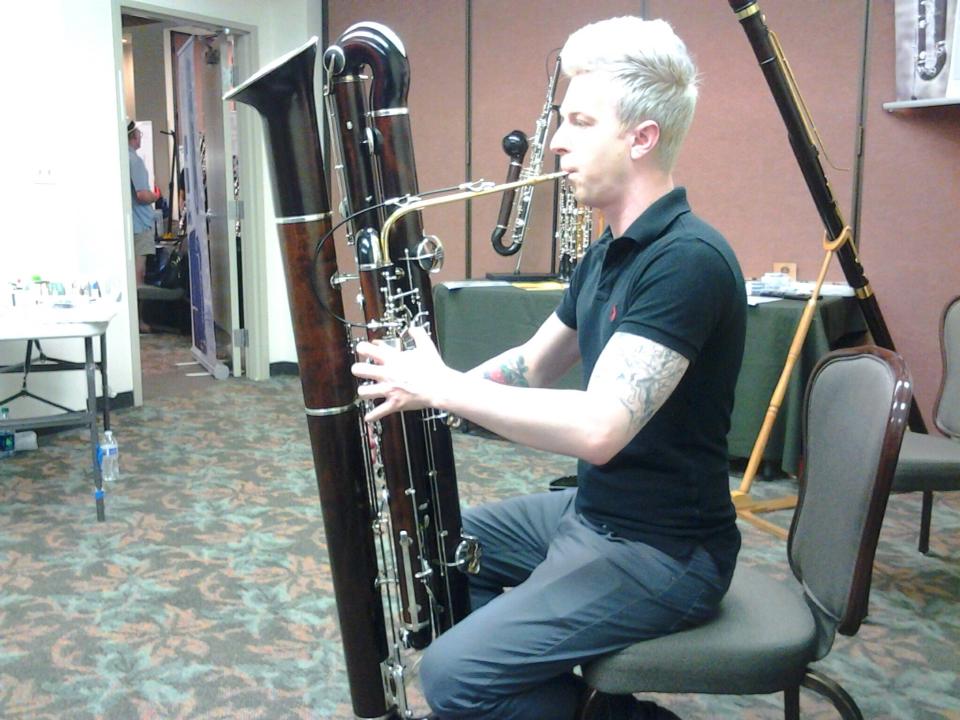
Now this is particularly interesting to me because I have been seriously getting into contrabassoon and I feel a strong pull towards the contraforte. I am now raising funds to buy a contraforte to take auditions with. I have a list of repertoire to perform and record on it and was a great treat to get to play another one this week. If you ever get a chence to get your hands on a contraforte, test it! the dynamics, range, note connection is all much easier.

contrafortekris


Lupophonkris


Baroquecontrabassoonkris