Heitor Villa-Lobos wrote a series of 9 suites inspired by the composition style and harmonic procedures of JS Bach. Each of them is set with a different instrumentation and include traditional Brazilian folk tunes as well as popular melodies from 1930-1940.

Number 5 is for soprano and an orchestra of cellos. The original cello parts are divided into 4 cello parts with 2 players playing each part. In my video I stop before the middle section (because I didn’t want to deal with looping myself tempo changes)

Bachianas Brasileiras no 5 pdf

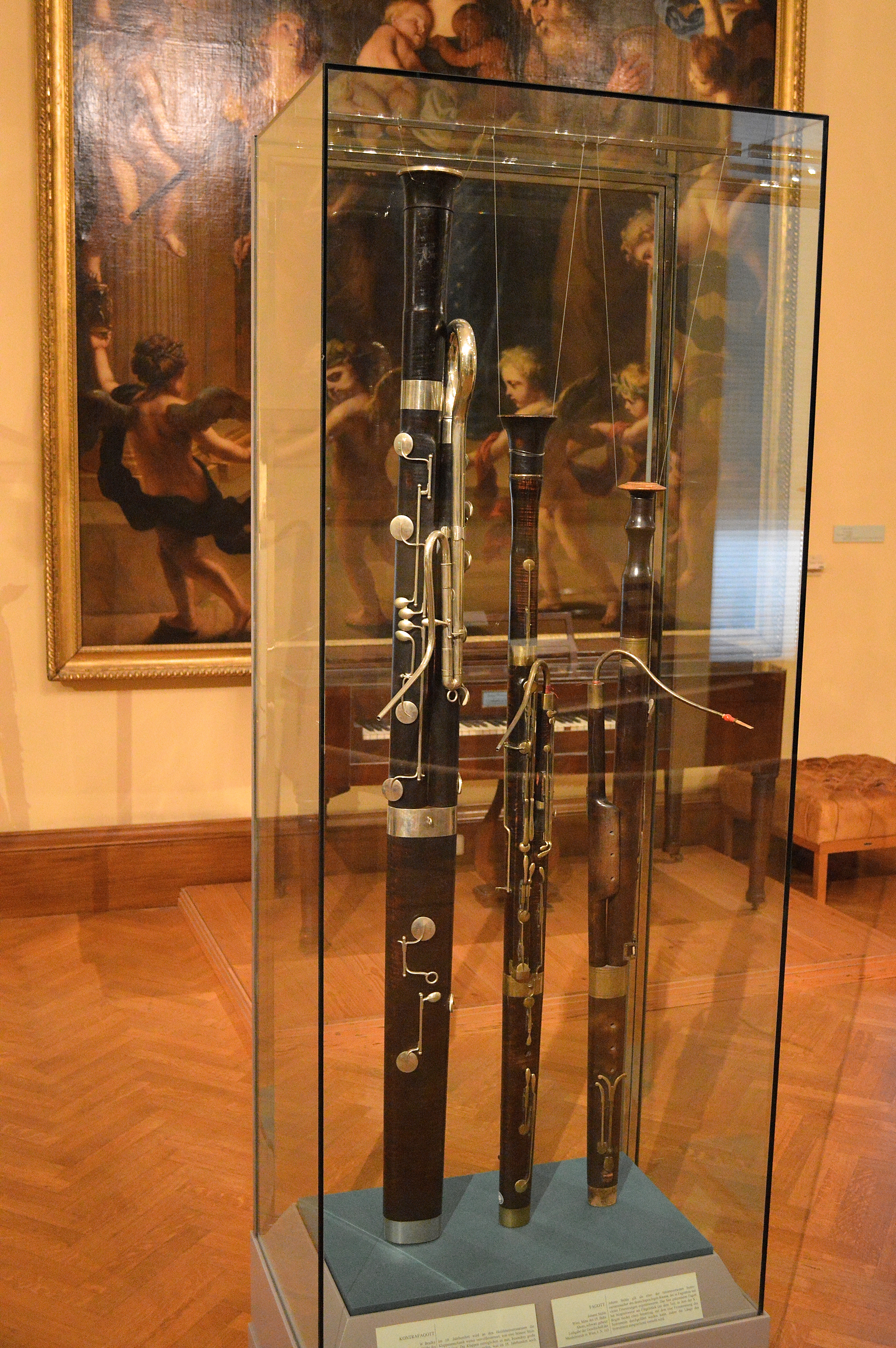
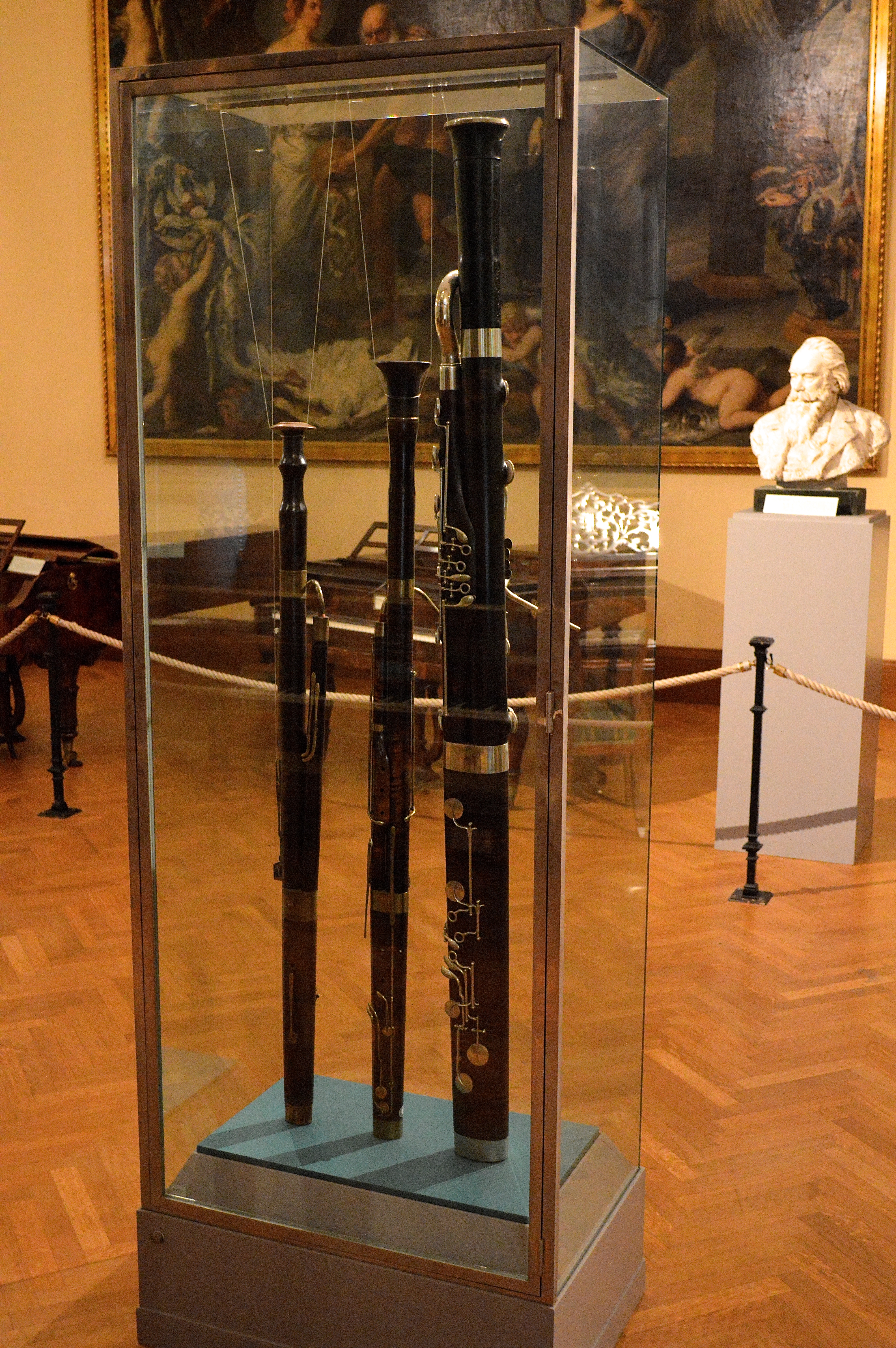
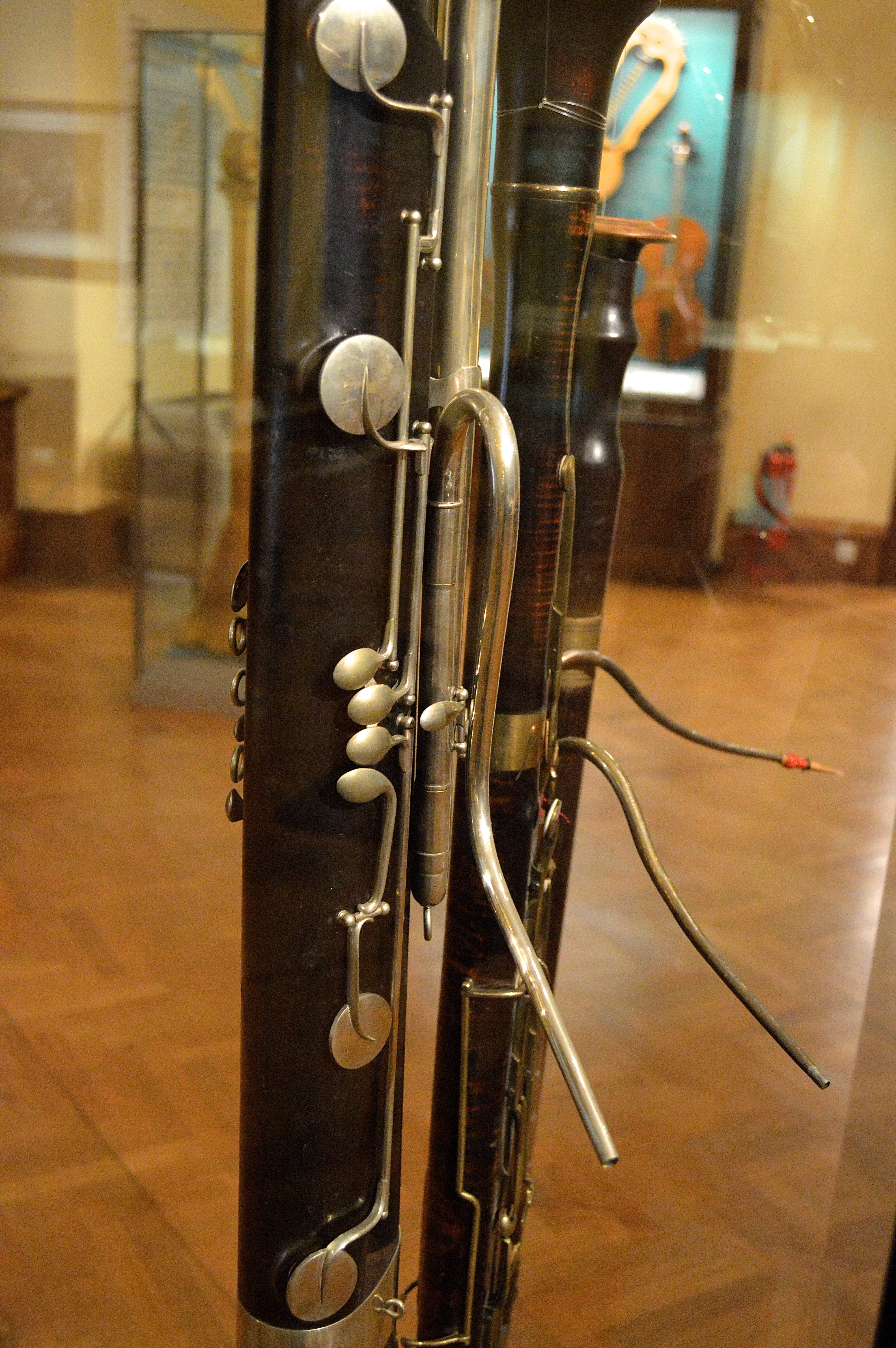
I have had been on a trip to Vienna for the last few weeks. The Hofburg palace houses an antique instrument museum which to my surprise had many bassoons and contrabassoons! So here are a few but not all of the instruments on display

Entrance to Antique Instrument Museum

bassoon family

bassoon family back

bassoons

This Contrabassoon was built by Bradka in Vienna, this was his standard model in 1870.

Stehle Bassoon

This bassoon was built by Johann Stehle who at the time was considered to be one of the finest instrument makers in the German speaking regions. This instrument was an experiment as it has a tuning slide on the wing joint to lengthen the bore between the register vents and tones holes. This bassoon also has an split bell to add on a low A attachment.

Woodwind Family

 This Contrabassoon was built by Bradka for the Viennese Jubilee crafts exhibition in 1888. This design differs from his previous models because of the rounded U-tubes to create less air resistance. “Bradka seems to have oriented this to a model from 1976 by Alfred Morton” (the contrabassophone maker)

The bassoon is a Heckel from the 1880s.

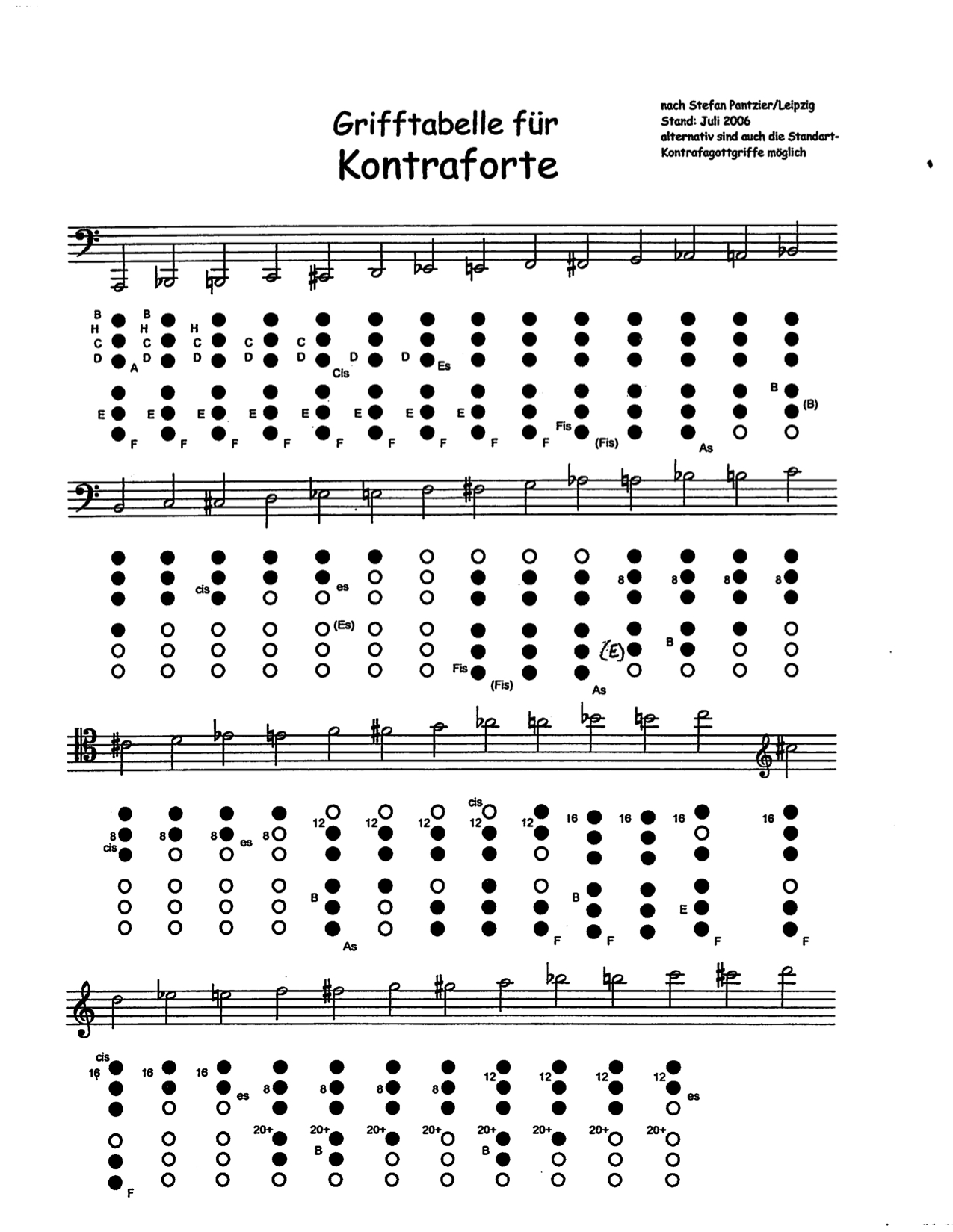
The usable range of the Contraforte is from A0-C5. This is an improvement on the contrabassoon range by a few steps. Although I know some very talented contra players that can play almost as high as any contraforte. Im mostly posting this so that composers are able to hear the timbre change of the different registers.

The Contraforte does not have a dependable high D but it is possible. Here I play the opening bassoon solo from Stravinsky’s Rite of Spring, at actually pitch. I used an extremely thick reed with a lot of resistance.

Contraforte Fingering Chart