Music Academy of the West produced a series of masterclass videos from the 2016 summer institute. Here Dennis Michel of the Chicago Symphony, is leading an open session on Shostakovich excerpts with students.
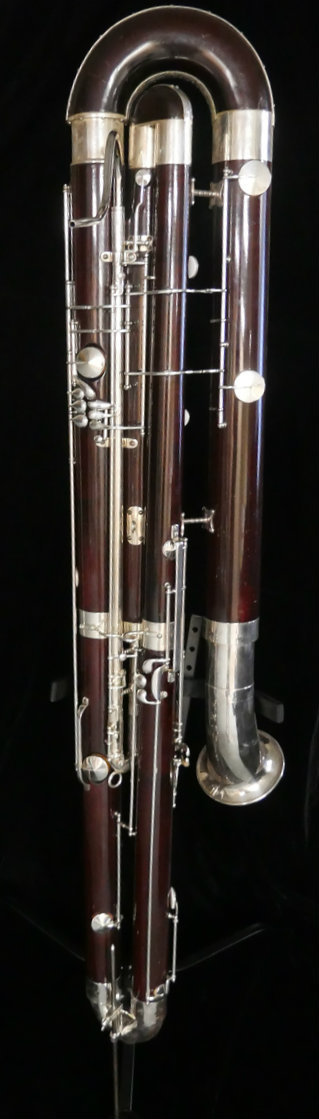
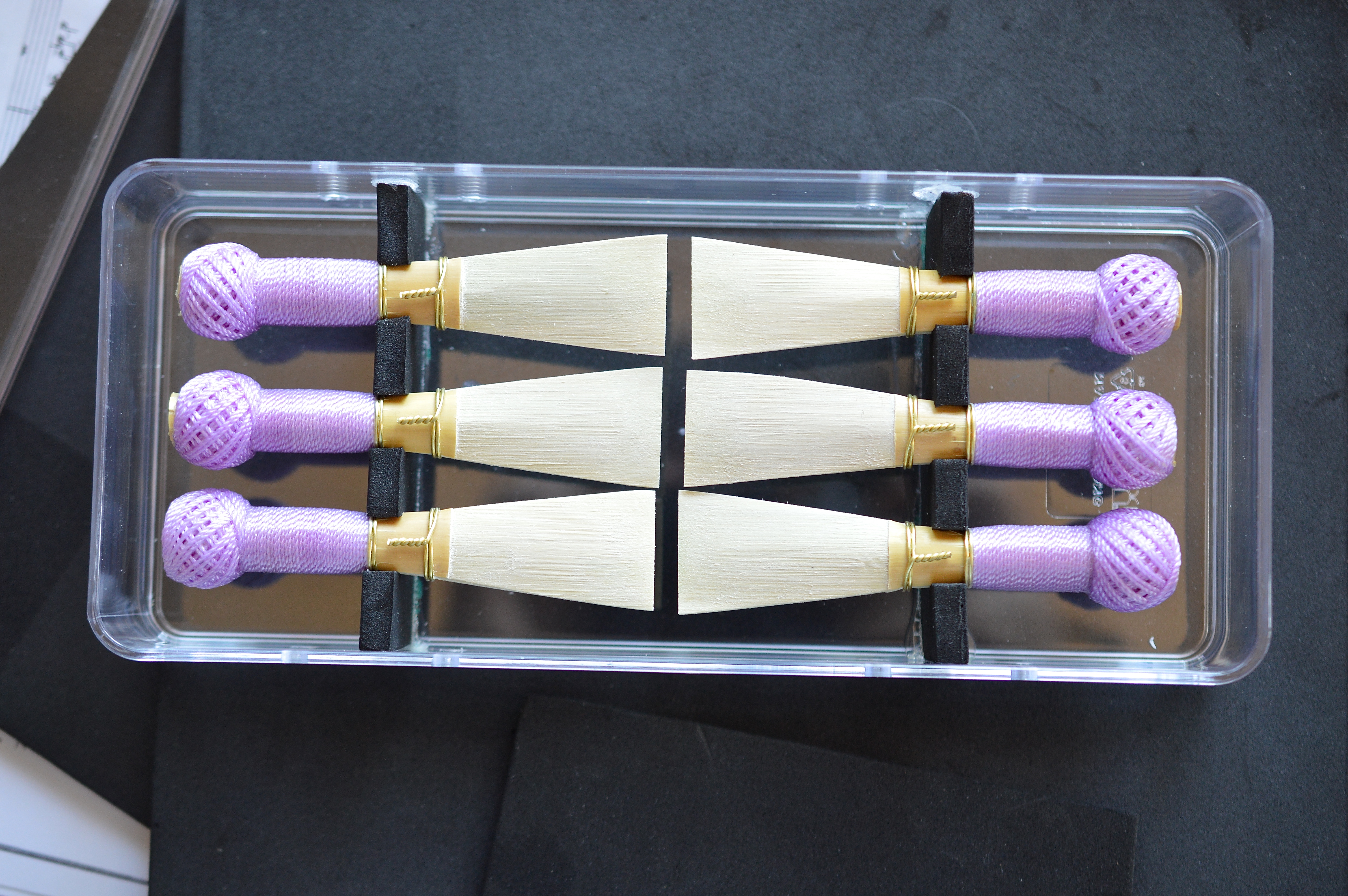
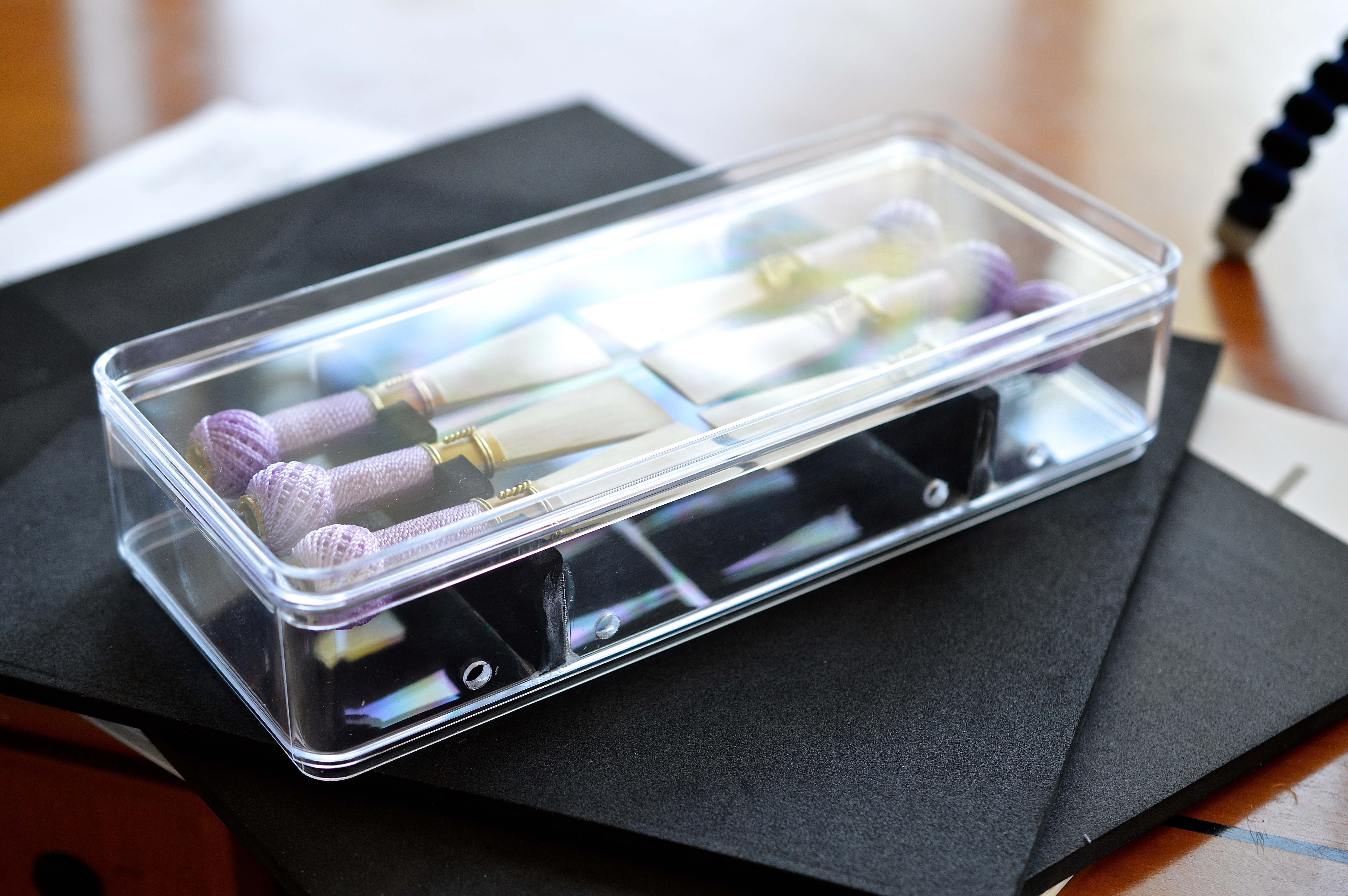
A few years ago I made my first Contraforte reed case out of tupperware, that case is a little beat up now so I made a new one. This is made from an acrylic box from The Container Store, some thick foam and duco cement. I drilled holes on both sides for air circulation, but I mostly keep my reed cases open when at home.
This case is for Contraforte reeds, but now I’m thinking about making a bassoon reed case. All together this was almost $15 which is still cheaper than the commercially available options.
King Bassoon Reedsis now offering GSP for bassoon. The bassoon gouged, shaped, and profiled cane sells very fast and so is hard to keep supplying, but now with the school year out (less orders) we have more time to process cane.
This cane is made using traditional Herzberg measurements and the Herzberg shape. This is all made with California cane which has a medium hard density.
I’m selling my French Bassoon. I haven’t been playing it much recently and I would rather someone use it than have it sit in my closet. If anyone is interested, it’s up on eBay.
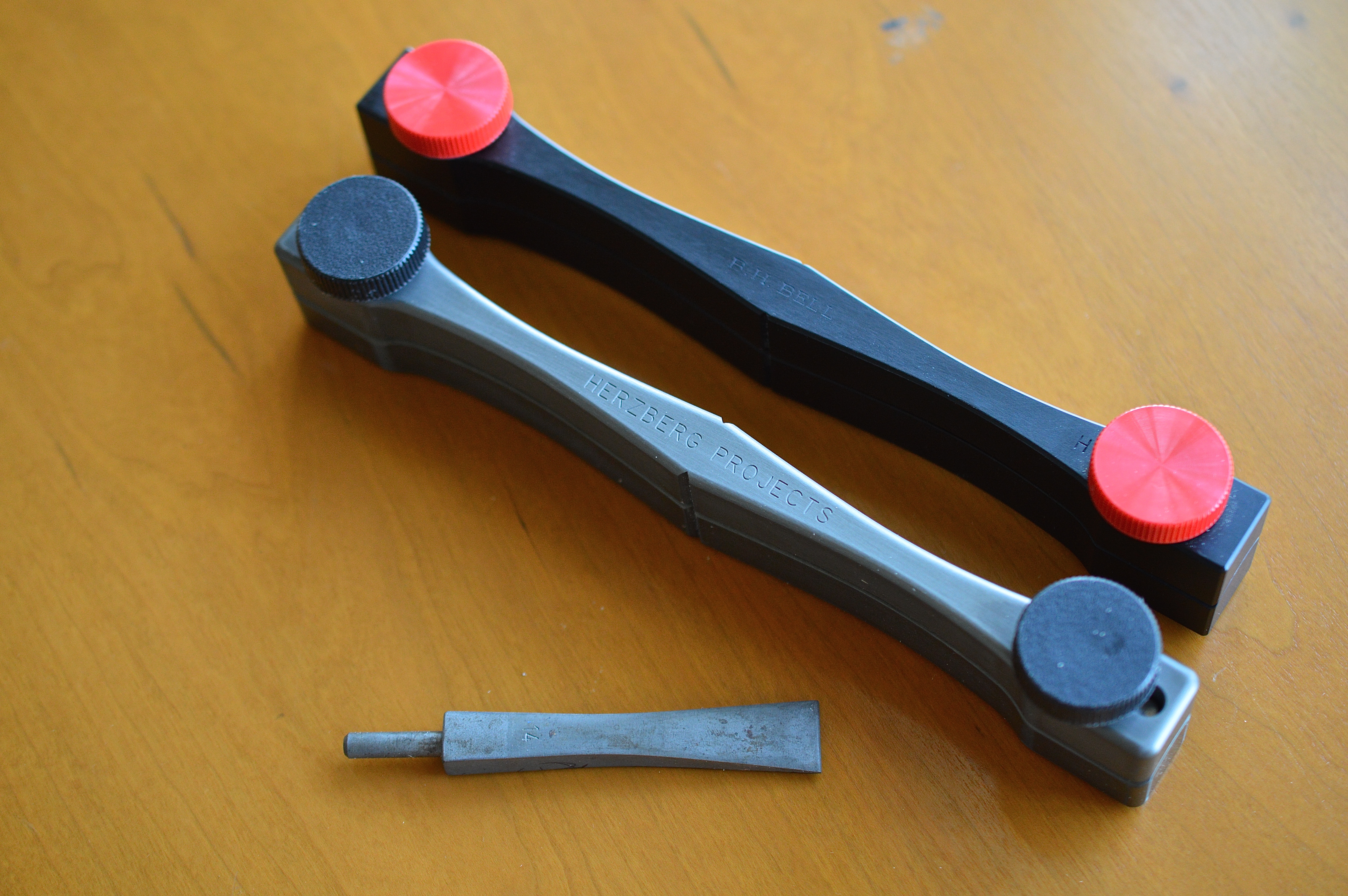
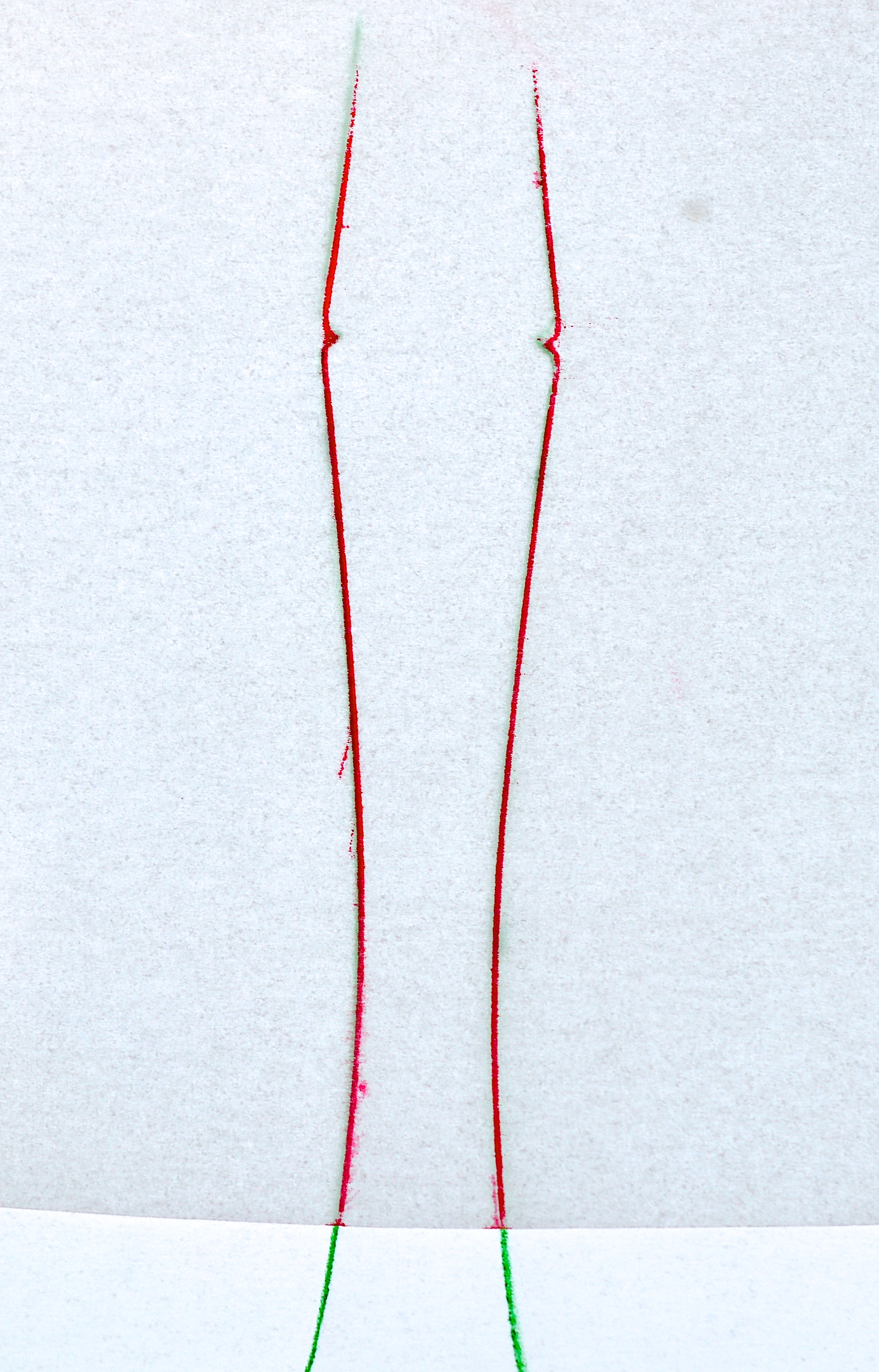
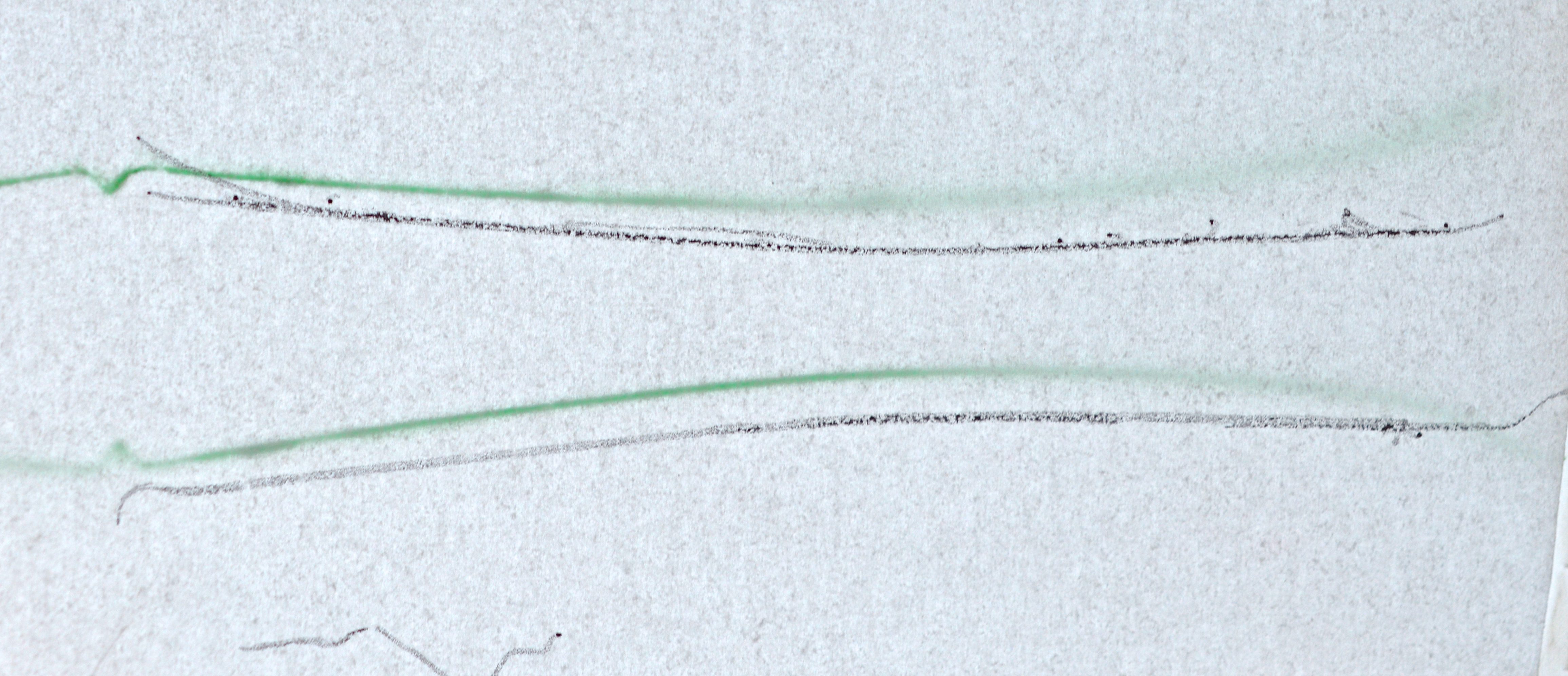
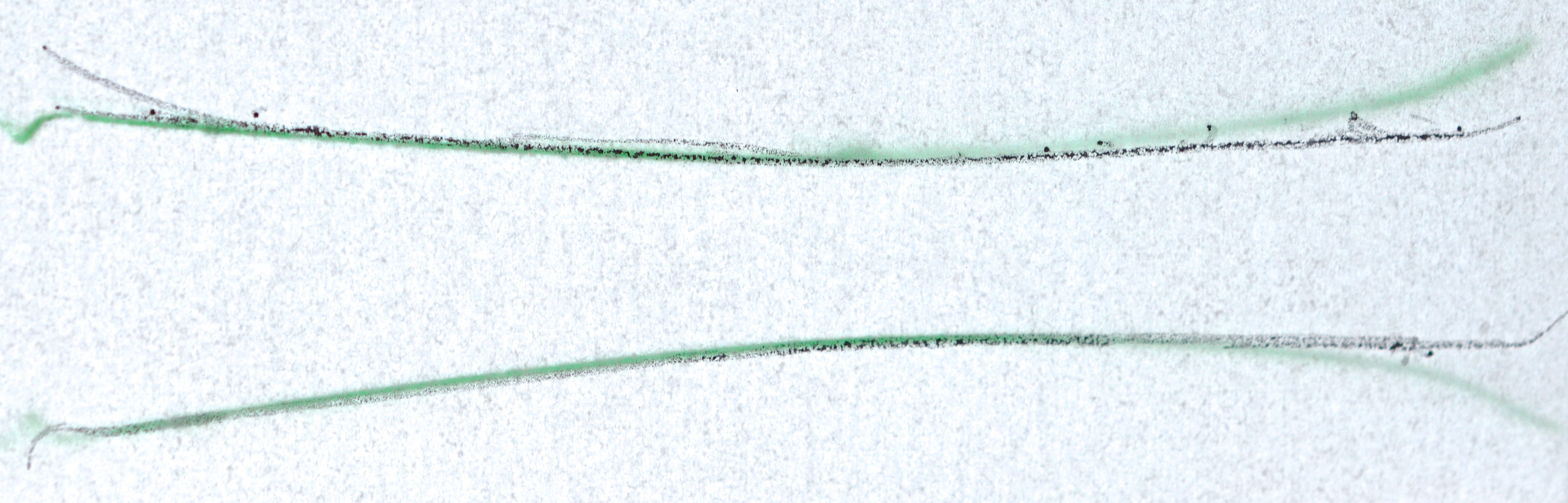
I have been experimenting with different versions of the Herzberg shape and I recently found an original for comparison. So I took some photos of how the Herzberg lines up with the Bell shaper and the Rieger #14.
The Rieger 14 shape is supposed to be the Rieger copy of the Herzberg shape. Here the Bell shape is in green and the Rieger in black. The blade of the Rieger is nearly exactly the same as the original Herzberg but the tube of the reed is narrower, the tube is straight with no flare. Part of the Herberg reed style is in the bevel, and the flare at the butt of the tube has a relationship with the tip opening. So the #14 is a very similar shape but will create reed with a different tip opening.
I know Fox make a few shapes that are similar to the Herzberg, their Michael Dicker shape is close to the Rieger #14 as well. If you want the Herzberg shape I would really suggest the Bell H shape which is an exact copy. The only advantage of an original Herzberg shaper would be the pin indents which precisely position the cane. And that would only be an advantage for people with a Herzberg profiler.
Bassoonist John Campbell made and posted an excellent video series last fall of his reed making process. The videos show his equipment, many of them are no longer made; and custom made tools, like his tip filing jig. John’s tip finishing is along the lines of what David McGill does, I have never seen or known the tip measurements for this style of reed, so I suggest giving it a watch!
Legere Bassoon Reeds have been in and out of my reed case over the last few years. Initially they were fantastic and I played many concerts on them, but then I discovered that they don’t last forever. After a few weeks the reeds develop little hairline cracks at the tip and become less vibrant.
Most recently they changed style to something more resistant, and used silver staples. I found a few of these that were great but generally these were unpopular because of the lack of vibration. And now Legere has reworked the bassoon reed again to have a longer blade length and a narrower shape. This new batch of reeds is just coming out and is going to be available everywhere in a few weeks. These reeds are vibrant and have excellent attacks. I’ve been really liking these new reeds and will be using them all summer.
They did a commercial with Paul Hanson, jazz bassoonist extraordinaire. And he touches on a good point which is that Legere reeds allow us to focus on the music.